Song Meaning
The narrator insists they've forgotten someone, clinging to present physical pleasure as proof. They repeat "Eu já esqueci você, tento crer" (I've already forgotten you, I try to believe), a mantra against a persistent internal echo. This present moment is described through intense sensory details: "lábios que meus lábios sugam de prazer" (lips that my lips suck for pleasure), and the visceral image of "Cor vermelha, carne da sua boca, coração" (Red color, flesh of your mouth, heart). The effort to forget is palpable, a conscious act against an involuntary memory.
The core tension lies in the narrator's struggle between a declared forgetting and an undeniable lingering presence. They list specific details they claim to have erased – "Seu nome, sua cara, seu jeito, seu odor" (Your name, your face, your way, your smell) – but the repetition and the subsequent physical sensations suggest these memories are deeply embedded. The phrase "Quem se lembra de você em mim" (Who remembers you in me) points to an involuntary remembrance, a part of them that holds onto the past even as they try to move on.
The most striking element is the personification of memory within the body. The lyrics state, "Bate é na memória da minha pele / Bate é no sangue que bombeia / Na minha veia" (It beats in the memory of my skin / It beats in the blood that pumps / In my vein). This isn't just a mental recall; it's a physical imprint. The champagne, once shared, now "borbulhava agora na taça da minha cabeça" (bubbled now in the glass of my head), suggesting the past experience has become an internal, almost intoxicating, obsession that fuels the narrator's denial.
This writing is effective because it grounds abstract forgetting in concrete, bodily sensations. The contrast between the narrator's stated intent and their physical experience creates a compelling internal conflict. The repeated attempts to believe in the present pleasure, while simultaneously being haunted by physical memories, makes the struggle feel raw and immediate. It’s a powerful depiction of how deeply ingrained past connections can be, resisting conscious erasure and manifesting in the very fabric of one's being.
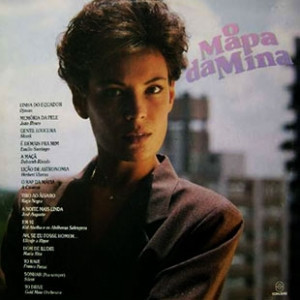
 View Artist