Song Meaning
The lyrics paint a vivid picture of a lively June festival, likely São João, bursting with street parties and traditional festivities. The recurring mention of the calendar signals the imminent arrival of this celebratory month, setting a tone of eager anticipation. The scene is immediately established with the promise of "festa na rua" and the specific detail of "traque de véia," hinting at a boisterous and perhaps slightly chaotic atmosphere.
The central tension emerges from the contrast between the communal, traditional celebration and a more personal, potentially scandalous romantic development. While the "sanfoneiro puxa o fole" and "rastapé" signify the collective joy, the narrator's focus shifts to a "morena" who "abriu seu jogo." This individual act seems to draw the attention and disapproval of the "beatas fofoqueiras," who label her "janeleira," suggesting she's forward or perhaps too open with her affections.
The craft here lies in the juxtaposition of the widespread, almost impersonal festival energy with the specific, localized gossip about the "morena." The lyrics create a sense of eavesdropping on village chatter, where the "beatas" are quick to judge. The phrase "Mal a lenha virou brasa" suggests a rapid escalation, not just of the bonfire but of the romantic intrigue and the ensuing gossip, highlighting how quickly personal dramas can unfold within a community setting.
Ultimately, the effectiveness of these lyrics stems from their ability to capture a specific cultural moment and imbue it with relatable human dynamics. The narrator's observation of the "morena" who, "sem ligar pras casadeiras," "entregou seu coração" under the moonlight offers a counterpoint to the judgmental voices. It’s a snapshot of communal celebration intertwined with individual desire and the inevitable social commentary that follows, grounded in the sensory details of the festival itself.
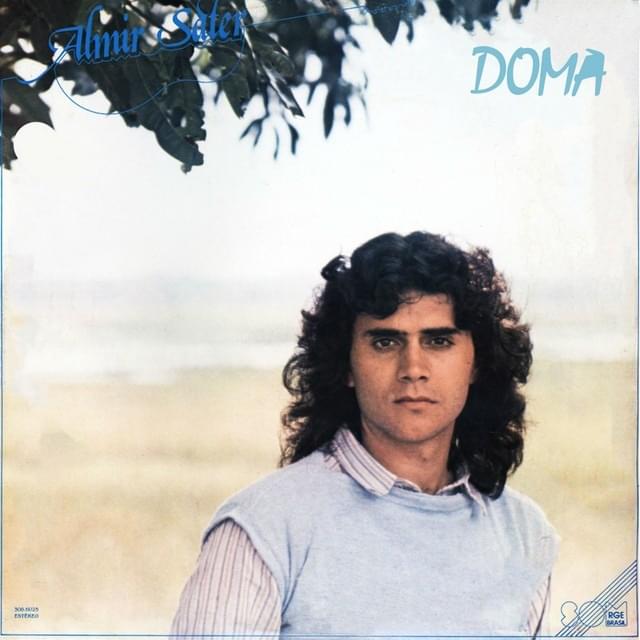
 View Artist