Song Meaning
The narrator describes a life lived with a sense of unfulfilled potential and stagnant desires. Passions that don't lead to pleasure are likened to rivers the speaker is tired of navigating, and lessons that don't impart wisdom are like books abandoned mid-read. This creates a feeling of cyclical, unproductive effort, where experiences neither begin nor end decisively, existing in a neutral, unsatisfying space.
The central tension lies between a heart that overflows with love and the transient nature of its expression. The lyrics paint a picture of profound emotional experience – "Coração se encheu de amor e transbordou" – but this intensity is immediately followed by imagery of dispersal and loss. The love, like the rain, saturates everything, but then flows away, becoming part of a larger, indifferent cycle.
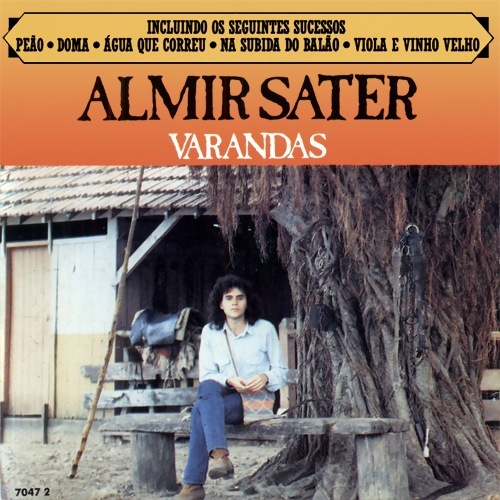
The extended metaphor of water is the most striking element. Rain fills the heart, but the "Água que correu" is carried off by the stream, eventually reaching the ocean and evaporating. This natural process mirrors the narrator's emotional landscape: intense feelings arise and then dissipate, becoming part of something vast and impersonal, leaving no lasting trace. The repetition of "Tanto que choveu, tanto que molhou" emphasizes the overwhelming nature of these emotions before their inevitable departure.
This lyrical construction effectively captures a specific kind of melancholy: the ache of intense feeling that lacks a permanent anchor or outlet. The imagery of natural cycles, while beautiful, underscores a sense of helplessness. The heart's capacity for love is immense, but its expression is ultimately ephemeral, subject to forces beyond control, leading to a quiet resignation rather than outright despair.
 View Artist