Song Meaning
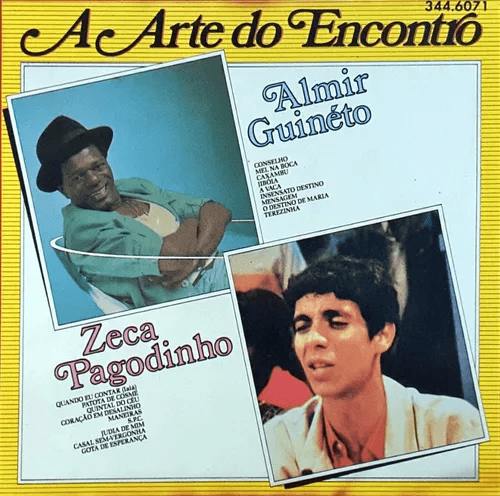
Zeca Pagodinho's "Insensato Destino" isn't just a samba lament; it's a raw, existential scream against the perceived cruelty of fate. The opening line, directly addressing "insensato destino" (senseless destiny), immediately establishes a confrontational tone. This isn't a passive acceptance of misfortune, but an active challenge. The singer questions the purpose of so much disappointment in his desires, framing happiness not as a given, but as a desperately sought-after, almost unattainable goal. The plea "Eu quero apenas ser feliz / Ao menos uma vez" (I just want to be happy / At least once) drips with a profound weariness, hinting at a life marked by repeated heartbreak. He longs for "o acalanto da paixão" – the soothing comfort of passion – suggesting a deep-seated need for emotional connection and stability. This desire is amplified by the subsequent admission of being scorned and hurt by someone who had breached the walls of his heart.
The repetition of being "desprezado e magoado" (scorned and hurt) emphasizes the cyclical nature of the singer's pain. It's not just a single incident, but a pattern of vulnerability and subsequent rejection. This pattern fuels the central question of the lyrics analysis: Why does destiny treat him so harshly? The song then pivots from accusatory questioning to a desperate plea for mercy: "Tenha pena de mim" (Have pity on me). This vulnerability is key to understanding the song's emotional core. Pagodinho isn't just complaining; he's exposing a deep-seated insecurity and a longing for compassion.
The final verses shift towards a vision of hope, albeit a fragile one. He expresses a desire to "viver num mar de felicidade / Com alguém que me ame de verdade" (live in a sea of happiness / with someone who truly loves me). This isn't a naive fantasy, but a hard-won aspiration born from suffering. The "sea of happiness" is a stark contrast to the "desilusão" (disillusionment) that pervades the earlier verses. Ultimately, "Insensato Destino" is a powerful exploration of the human condition, grappling with themes of fate, love, loss, and the enduring hope for happiness in the face of adversity. The song's meaning resides in its raw honesty and its ability to articulate the universal struggle against a seemingly indifferent universe.
 View Artist