Song Meaning
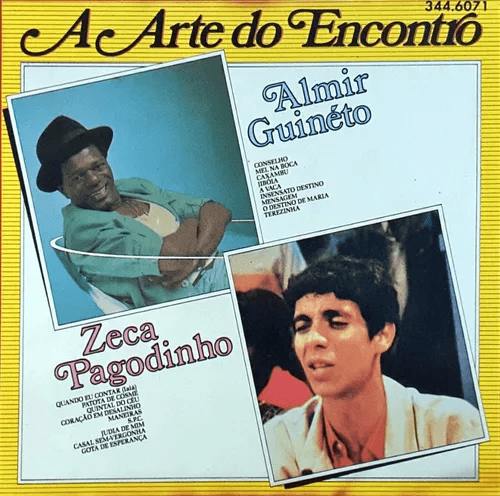
Zeca Pagodinho's "Caxambu" is more than just a song; it's an invocation. The lyrics, simple as they appear, unlock a world of Afro-Brazilian tradition, spirituality, and communal joy. The titular Caxambu refers to both a dance and a drum, central to Jongo, an Afro-Brazilian musical tradition with roots in the rituals of enslaved Africans. The song's structure mirrors the call-and-response style characteristic of Jongo, creating a sense of shared experience and collective energy. Lines like "Saravá, jongo, saravá Engoma, meu filho que eu quero ver / Você rodar até o amanhecer" are not mere lyrics, but blessings and encouragement within the dance itself. The Engoma is another type of drum, and the lyrics implore the dancer to spin until dawn, a testament to the trance-like state induced by the music and movement.
The song meaning also resides in its playful engagement with folklore and everyday life. The references to Dona Celestina and the request for water, followed by the threat of gossip, add a touch of humor and humanity. The line "Deu meia noite. o galo já cantou / Na igreja bate o sino é na dança do jogo que eu vou" juxtaposes the sacred and the secular, highlighting the syncretic nature of Afro-Brazilian religious practices, where African traditions often blended with Catholicism. The image of midnight, the rooster's crow, and the church bells create a liminal space, a threshold between worlds, where the dance becomes a form of spiritual expression.
Even the seemingly simple verse about the inexperienced ox-cart driver carries deeper meaning. "Carreiro novo que não sabe carrear / O carro tomba e o boi fica no lugar" can be interpreted as a metaphor for the challenges of navigating life, particularly in the context of cultural preservation. The young driver, unskilled in his task, loses control, but the ox (representing tradition and strength) remains steadfast. This suggests that even when individuals falter, the underlying cultural foundations endure. The final call to witness the "caldeirão sem fundo ferver" (bottomless cauldron boiling) evokes a sense of mystery and transformative power, inviting the listener to delve into the depths of this rich cultural heritage. The Zeca Pagodinho lyrics analysis reveals "Caxambu" to be a potent celebration of resilience, community, and the enduring power of Afro-Brazilian tradition.
 View Artist