Song Meaning
The narrator asserts a fierce independence, rooted in past betrayals. They've learned to trust no one, finding solace and strength in their own resilience, declaring "I'm used to it, no, I won't trust anyone." This self-reliance is framed as a deliberate choice, a shield built after experiencing the "burning" of past affections. The repeated phrase "after it burned" emphasizes the finality and pain of these experiences, cementing a resolve to navigate life solo.
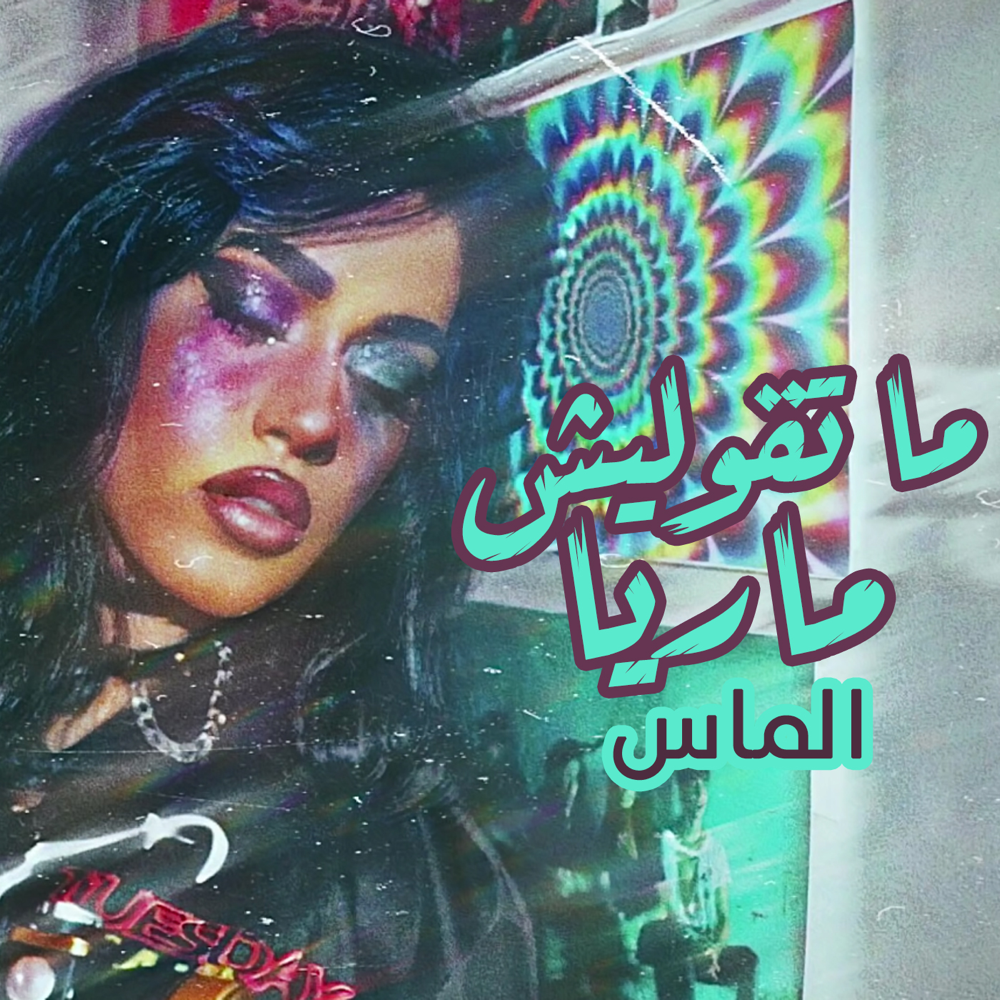
The core tension lies in the narrator's withdrawal versus the lingering presence of others who seem to expect something from them. The lyrics suggest a history where the narrator was instrumental in others' success, stating, "I brought you into my life, I won't deny if I owe anyone a favor until my death." Yet, they dismiss past relationships as a "loop" and a "puzzle," implying a desire to break free from cyclical patterns and superficial connections. The demand "Don't call me maria" acts as a definitive boundary, rejecting a label or expectation tied to a past they've outgrown.
The most striking craft element is the seamless blend of Arabic and English, mirroring a fractured identity or a complex lived experience. Phrases like "Shit start to hit me all the way up" and "Fake fame, It's shame" punctuate the Arabic narrative, highlighting a globalized, perhaps online, reality of superficiality and betrayal. The shift to English injects a raw, almost defiant energy, especially with the stark "I Got the gun, You can't pull the trigger, So you gotta run," which transforms the internal struggle into a battle for survival against unseen threats.
This lyrical construction is effective because it grounds abstract feelings of hurt and disillusionment in concrete imagery and direct address. The narrator isn't just sad; they are actively building defenses and drawing lines. The contrast between the intimate Arabic reflections and the sharp, almost confrontational English interjections creates a powerful sense of a person forging their own path, unburdened by past expectations and determined to define themselves on their own terms. The final plea, "Don't call me maria," is not just a request but a declaration of self-sovereignty.
 View Artist