Song Meaning
The lyrics paint a picture of a solitary mockingbird, outwardly performing a cheerful song while internally experiencing sadness. This contrast is established immediately, with the bird "singing a tune" but "no one knows she's got the blues." The narrator emphasizes this hidden sorrow, noting the bird is "humming alone, singing her song / Like mockingbirds do," suggesting this performance is instinctual, perhaps even a coping mechanism.
The central tension lies between the bird's outward appearance of carefree resilience and its inner emotional state. The lyrics state, "Paying no mind to the ground / Ain't nothing gonna bring her down," which could be interpreted as a deliberate act of defiance against her blues, or a genuine detachment from earthly troubles. The narrator directly challenges the listener with "She doesn't ask why, so why do you?" urging them to let go of their own anxieties.
The repeated refrain, "Worry, ain't no need to worry / She ain't in a hurry, no / She's right where she needs to be," acts as a mantra, reinforcing the idea of acceptance and contentment, despite the initial revelation of the bird's blues. This suggests a profound peace found in simply existing, "watching the world rolling by" and "taking her riddance on high." The bird's ability to find solace in its own song, even with underlying sadness, is presented as a model for the listener.
Ultimately, the effectiveness of these lyrics stems from their gentle, almost philosophical, observation of nature mirroring human emotional complexity. The simple imagery of the mockingbird becomes a vehicle for exploring themes of hidden sorrow, outward strength, and the peace found in acceptance. The song suggests that true contentment might not be the absence of sadness, but the ability to sing through it.
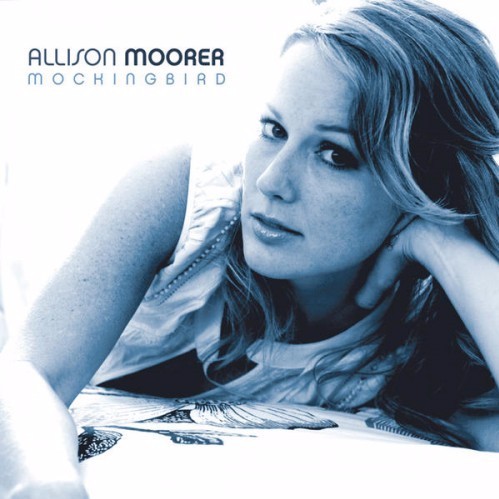
 View Artist