Song Meaning
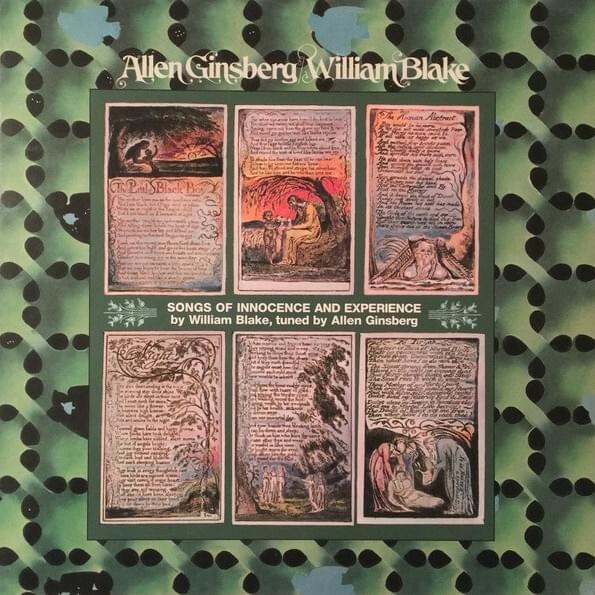
The lyrics paint a picture of pure, unadulterated joy found in nature and shared company. The dominant image is one of pervasive laughter, extending from the woods and streams to the very air and hills. This isn't just a pleasant scene; it's an active, vocalized happiness, a vibrant celebration of life's simple pleasures. The narrator invites the listener to step into this infectious merriment, to shed any gloom and embrace the present moment.
The central tension, if one can call it that, is the contrast between the potential for sadness and the overwhelming presence of joy. The lyrics don't explicitly mention sorrow, but the insistent, almost overwhelming depiction of laughter suggests a deliberate choice to focus on the positive. The repetition of "laugh" and the onomatopoeic "Ha ha he!" create a sonic landscape of pure delight, a stark counterpoint to any potential for melancholy.
The most striking craft element is the personification of nature itself. The "green woods laugh," the "dimpling stream runs laughing by," and even the "air does laugh." This isn't just a passive setting; it's an active participant in the merriment, mirroring the human joy. The inclusion of specific names like Mary, Susan, and Emily, along with their "sweet round mouths," grounds the abstract concept of joy in tangible, relatable human interaction.
This piece is effective because it builds an immersive world of happiness through consistent imagery and sound. The repeated "Ha ha he!" acts as a sonic anchor, a simple, childlike expression of delight that is impossible to ignore. The invitation to "live, and be merry, and join with me" makes the joy feel communal and accessible, urging the listener to participate in this vibrant, laughing scene.
 View Artist