Song Meaning
The lyrics paint a stark picture of emotional neglect and the resulting internal breakdown. The opening lines immediately establish a sense of being unseen, with the narrator stating, "You never ask if I'm ok." This is juxtaposed with a disturbing image of self-harm, "The knife in my wrist will take your place," suggesting a desperate, internal struggle for attention or relief from the perceived indifference of another. The narrator feels themselves "slipping farther away" and "starting to break," highlighting a profound sense of losing control under immense strain.
The central tension revolves around overwhelming internal pressure and a growing realization that the situation isn't about the narrator's own needs or desires. The repeated phrase "The pressure is building inside of me / The tension is taking over" underscores a suffocating, inescapable feeling. Yet, this is immediately countered by the line "It's not about me," indicating a shift in perspective where the narrator recognizes their own struggles might be a symptom of something larger, perhaps the other person's issues or the dynamic of the relationship itself.
The most striking aspect of the writing is the stark contrast between the narrator's internal agony and the perceived emotional absence of the other person. The repeated "You never asked if I'm ok" hammers home the feeling of isolation. The lyrics also play with the idea of self-blame versus external cause, as seen in "I never meant to be this way." This internal conflict, the struggle to assign blame and understand the source of the pressure, is palpable.
Ultimately, the effectiveness of these lyrics lies in their raw, unflinching portrayal of emotional distress and the dawning, painful awareness of a complex dynamic. The repetitive structure of the chorus, particularly the insistent "No no no," amplifies the feeling of being trapped. The final lines, "I look in your eyes and you cannot hide / What I've come to open up," suggest a moment of clarity, even if that clarity brings further pain, solidifying the sense that the narrator is confronting an uncomfortable truth about the relationship.
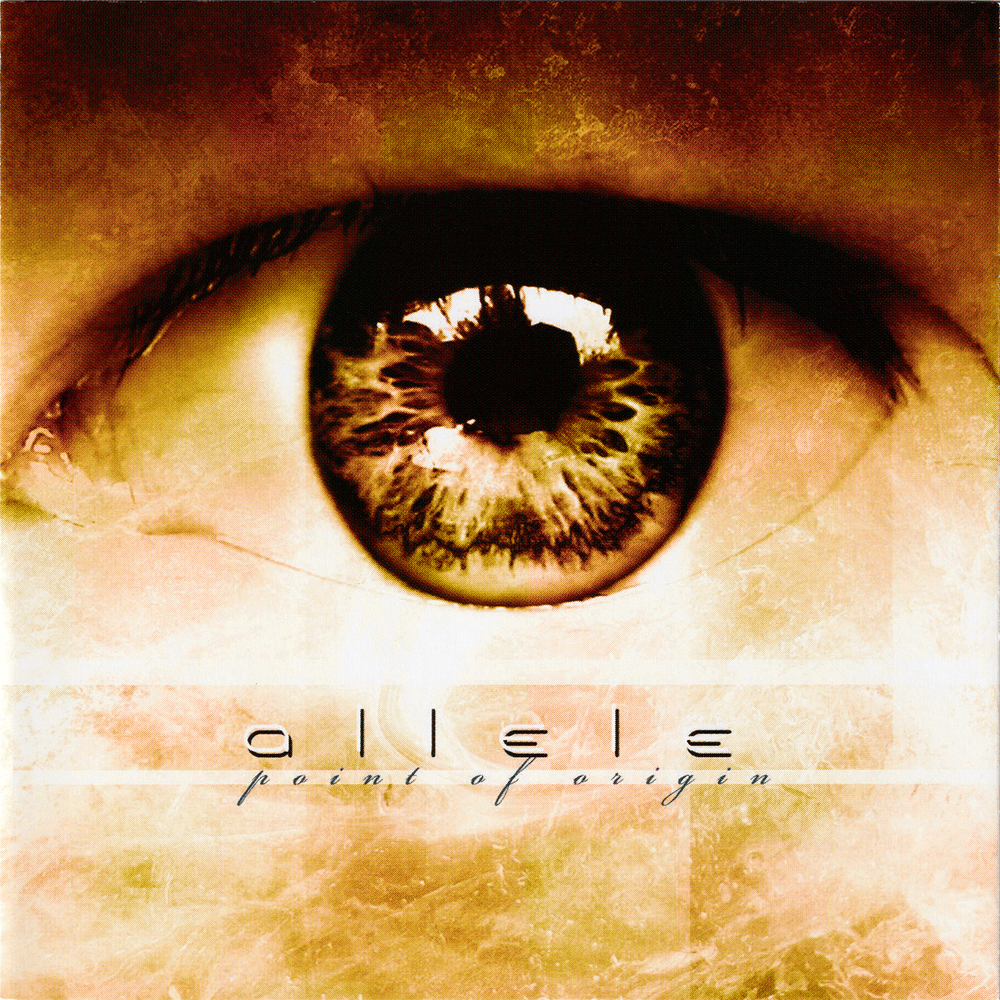
 View Artist