Song Meaning
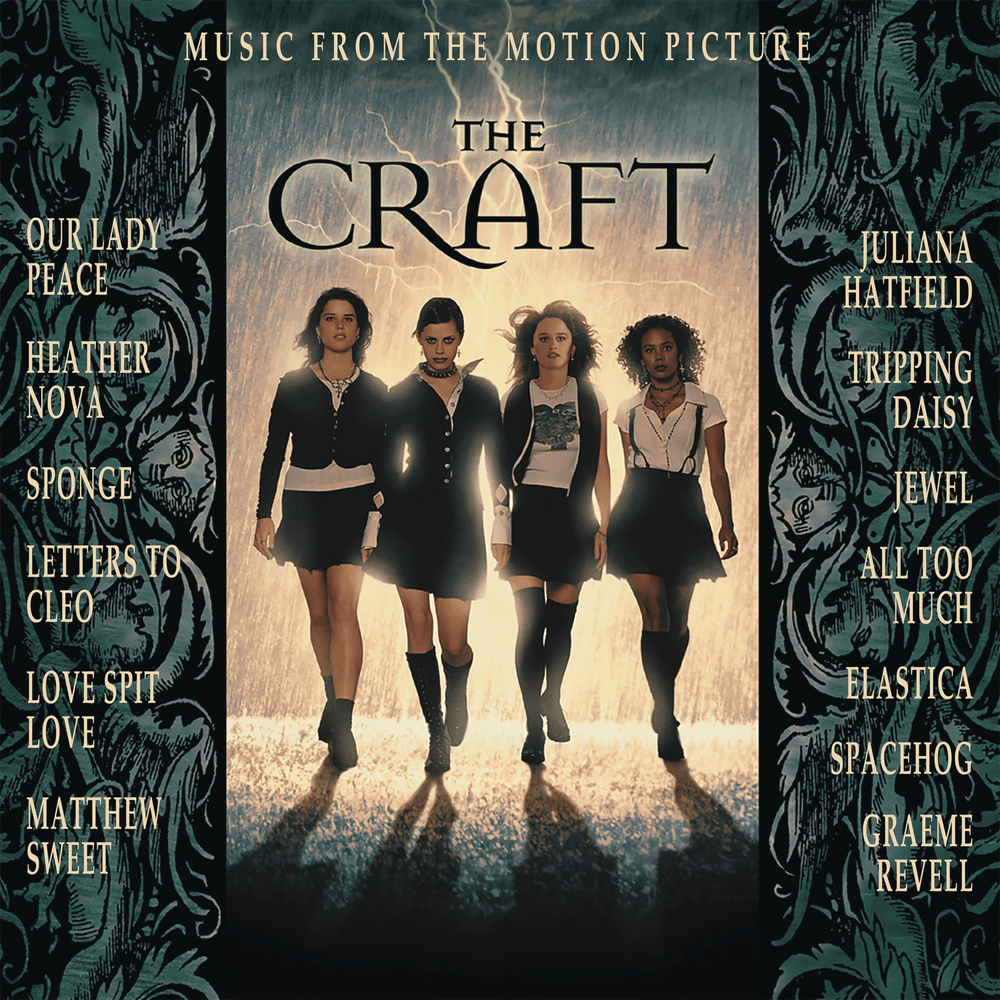
The lyrics paint a picture of a clandestine ritual, a "witches' song" that begins with a sisterly pact. The narrator calls to her sister to meet on a "hilltop / Where the two roads meet," a place ripe with symbolic potential for decision or convergence. They intend to "form the circle / Hold our hands and chant," invoking a powerful, unnamed "great one" to manifest their desires. This opening establishes a tone of determined, almost defiant, communal magic.
Central to the song is a series of striking paradoxes presented in the repeated refrain: "Danger is great joy / Dark is bright as fire." These lines suggest a worldview where conventional opposites are inverted, where risk is inseparable from elation and the unknown is illuminated. This inversion is further explored with "Happy is our family / Lonely is the ward," hinting at a chosen community that finds solace in its shared, perhaps ostracized, existence, while isolation is a protective measure. The lyrics seem to embrace a potent, dualistic reality.
The song’s structure amplifies its ritualistic feel, particularly through the insistent repetition of the "Danger is great joy" stanza. This refrain acts as a mantra, reinforcing the core tenets of their practice. The shift from addressing the "sister" to invoking "Father" and "Mother" introduces a familial, yet potentially adversarial, dimension. The pleas for the "Father" to "appear" and the "Mother" to "give consent" carry an undercurrent of anxiety, questioning if the powerful forces they invoke will be benevolent or if their actions require a difficult, perhaps even scornful, "contempt" for approval.
What makes these lyrics so compelling is their ability to evoke a sense of potent, hidden power and deep-seated yearning through stark, almost elemental imagery and paradoxical statements. The contrast between the communal joy of the "family" and the isolating nature of the "ward" creates a palpable tension. The narrator’s direct address to absent parental figures, coupled with the fear and panic they inquire about, grounds the mystical ritual in a very human need for validation and acceptance, even as they embrace a path that might necessitate defiance.
 View Artist