Song Meaning
The lyrics paint a stark picture of a desolate, post-apocalyptic landscape, focusing on the haunting silence and the ghosts of what once was. The dominant tone is one of profound loss and lingering emptiness, underscored by the absence of human presence and the decay of civilization. It's a world where nature is reclaiming its territory, but the scars of human endeavor remain.
The central tension arises from the contrast between the enduring physical remnants of human life and the complete lack of living inhabitants. The "broken glass" and "rusted cars" speak to a sudden, violent end, while the "wind that howls" and "weeds that grow" signify nature's indifferent, persistent march forward. This creates a poignant sense of abandonment, as if the world is a museum of a civilization that vanished without a trace.
The most striking aspect is the lyrical focus on sensory details that emphasize absence. The "silence" is palpable, broken only by the "wind," which becomes a character in itself, a mournful voice in the void. The imagery of "shadows dance" on "empty streets" personifies the desolation, suggesting that even the inanimate world is haunted by memory. The repeated emphasis on what is *not* there – no voices, no footsteps, no life – amplifies the feeling of profound isolation.
These lyrics resonate because they tap into a primal fear of oblivion and the ephemeral nature of human achievement. By focusing on the quiet aftermath rather than the cataclysm itself, the song evokes a deep sense of melancholy and reflection. The stark, unadorned descriptions leave ample space for the listener's imagination to fill the void, making the sense of loss intensely personal and universally felt.
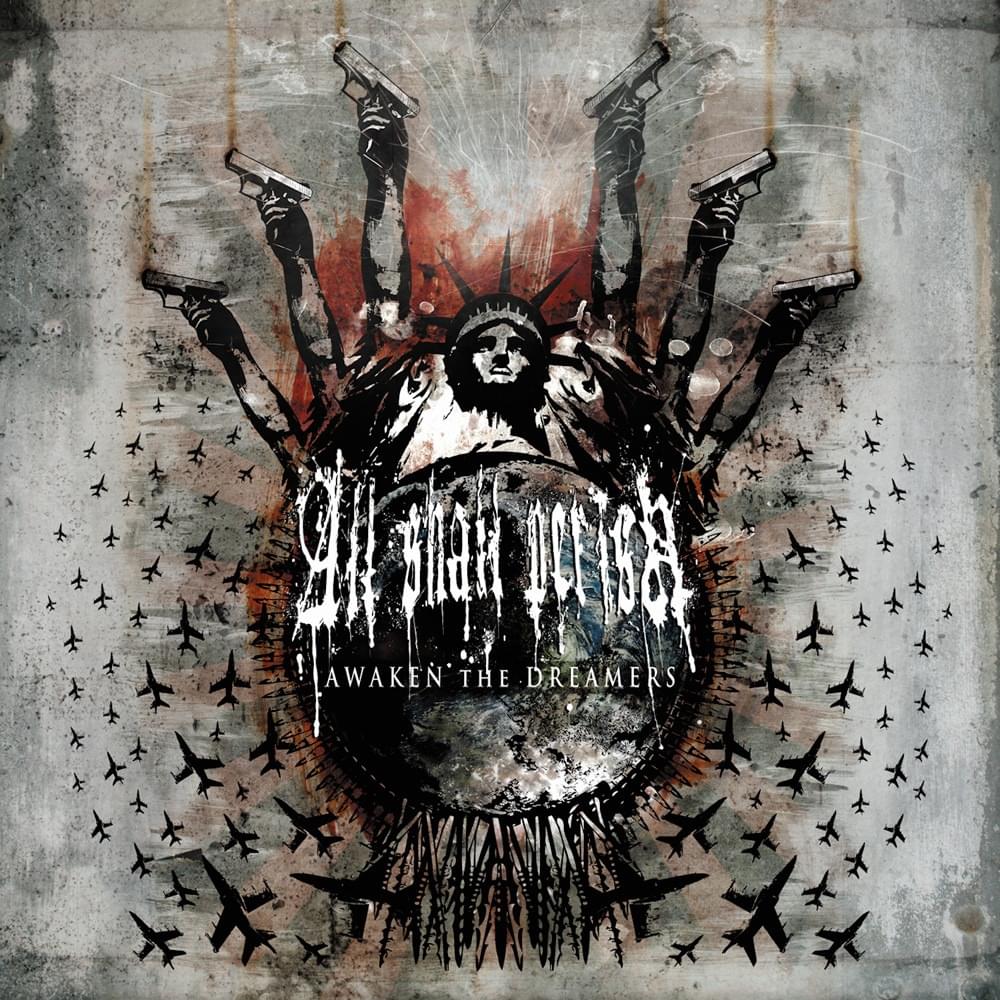
 View Artist