Song Meaning
This aria paints a picture of a perfect, moonlit night dedicated to love and indulgence. The opening lines immediately establish a tone of blissful surrender, inviting the night itself to "smile upon our revels." It's a moment of pure, unadulterated pleasure, where the darkness of night is paradoxically described as "sweeter than the day." The imagery is lush and romantic, focusing on the sensory experience of a warm, amorous evening.
The core tension arises from the fleeting nature of this idyllic moment. The lyrics repeatedly emphasize that "time flies and without return," carrying away their "tenderness" and "happy sojourn." This creates a poignant contrast between the present ecstasy and the inevitable passage of time, hinting at a bittersweet awareness that such perfect moments cannot last. The desire for the "embraced zephyrs" to bestow "caresses" and "kisses" underscores this urgency to seize the pleasure before it vanishes.
The most striking craft element is the direct address to the night and the zephyrs, personifying them as active participants in the lovers' experience. This isn't just a backdrop; the elements are invoked to enhance and bless their "intoxication." The repetition of "Belle nuit, ô nuit d'amour" and the escalating "Ah!"s at the end amplify the overwhelming emotion, transforming a simple plea into an ecstatic, almost breathless, outpouring.
Ultimately, the lyrics resonate because they capture that universal human desire to freeze time during moments of profound happiness. The writing works by creating a vivid, sensory world of love and then immediately introducing the melancholic awareness of its impermanence. This delicate balance between present joy and future loss makes the plea for the night's favor feel both intensely personal and deeply felt.
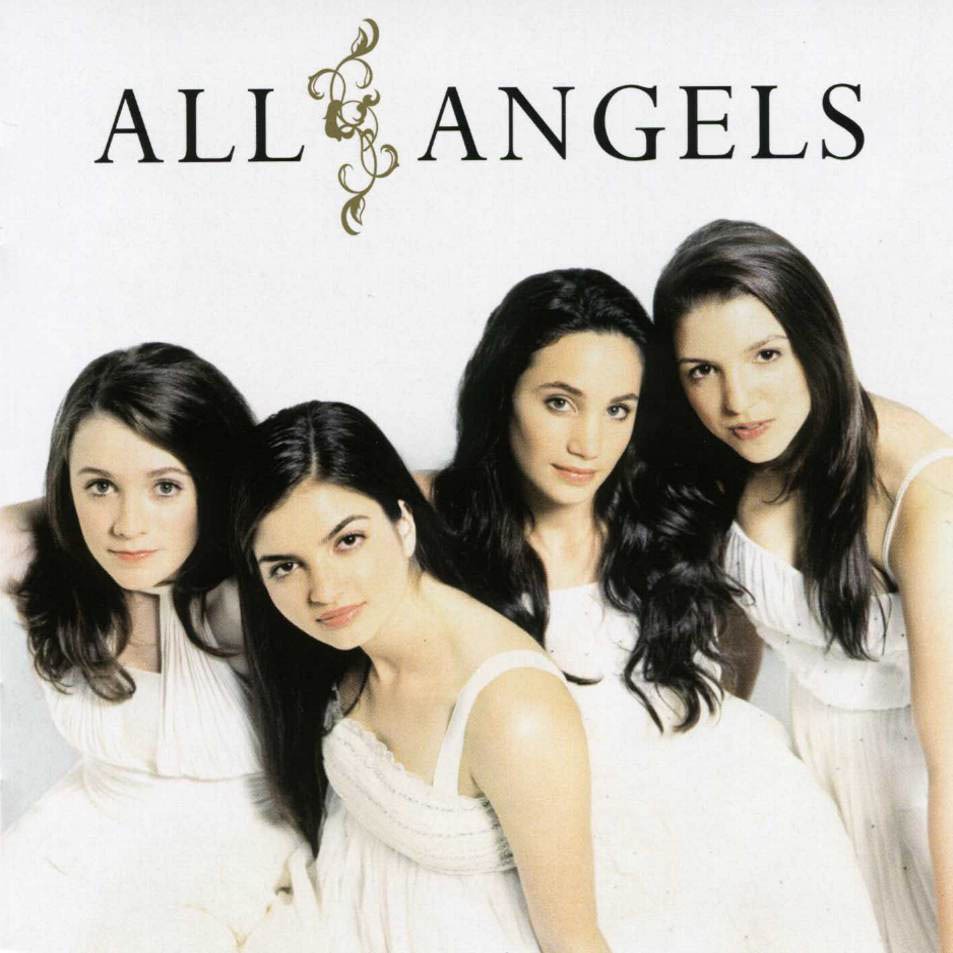
 View Artist