Song Meaning
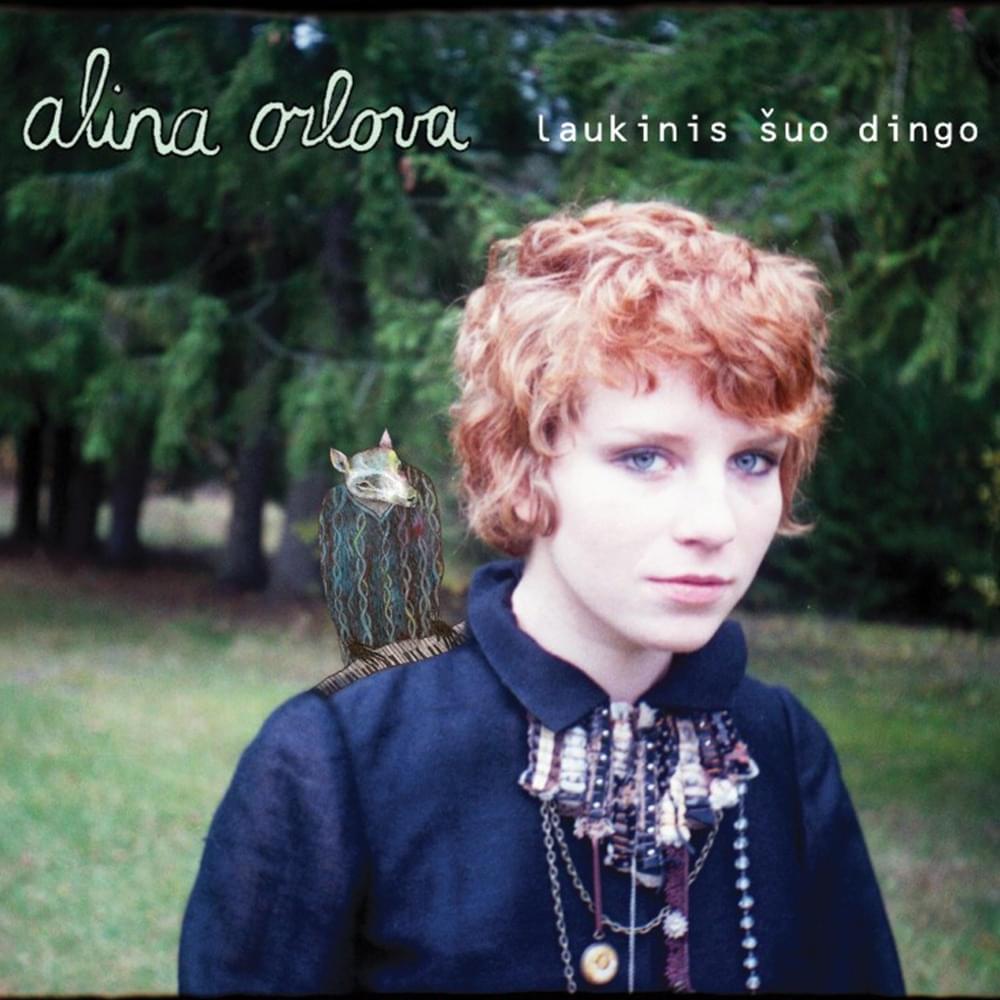
The lyrics paint a surreal, almost dreamlike scene beneath a bridge, immediately establishing a tone of mystery and unease. The narrator questions the very nature of the figure they see, asking, "Ar žmogus tu, ar žvėris?" This direct address, coupled with the uncanny imagery of a silver lapwing nesting in the figure's fur, creates a disorienting atmosphere. The natural world here is not comforting; it's imbued with a sense of foreboding and ancient ritual.
The central tension arises from this ambiguity and the encroaching darkness. The lapwing's prayer "už išėjusius tąnakt" (for those who left that night) suggests loss and finality, while the fish hiding their faces "bijodamos apakt" (afraid of being blinded) implies a revelation or a sight too terrible to behold. The scene feels suspended in a liminal space, a moment of profound transition or judgment.
The most striking aspect is the personification of nature acting out a somber, almost biblical drama. The lapwing isn't just a bird; it's a supplicant, its prayer echoing the gravity of the night's events. The fish, typically hidden beneath the water, actively conceal themselves, suggesting a collective awareness of something deeply unsettling. The repetitive, almost chant-like "Daiidaidai" refrain further enhances the ritualistic, hypnotic quality of the experience, blurring the lines between reality and a primal, spiritual encounter.
This lyrical construction is effective because it bypasses direct explanation, instead immersing the listener in a potent, unsettling atmosphere. The power lies in the evocative, fragmented images and the unanswered questions they provoke. It’s the feeling of witnessing something ancient and significant, a moment where the boundaries between human, animal, and the spiritual dissolve under a dark sky.
 View Artist