Song Meaning
The lyrics paint a picture of superficiality and a yearning for something deeper, set against backdrops of supposed luxury and revelry. The narrator observes "superman attitudes" and "jukeboxes playing nonstop," finding them hollow. Even festive occasions like Christmas or the mention of Malibu and Buenos Aires feel like empty gestures, a stark contrast to the narrator's own state of having "spent everything, even imagination." This suggests a critique of a lifestyle focused on outward appearances and fleeting pleasures.
The central tension arises from the narrator's detachment and disillusionment amidst perceived happiness. While "sweet ladies" enjoy themselves and "everything is music" during Carnival, the narrator questions how this joy is achieved, stating "I don't see how, but they have fun." This disconnect is amplified by the repeated phrase "Sine qua non, Carthago delenda est," a Latin declaration meaning "Carthage must be destroyed." This historical reference, paired with the image of walking "south of Carthage" among ruins, implies a desire to obliterate a decadent, ultimately doomed way of life.
The most striking craft element is the juxtaposition of exotic locales and festive imagery with the stark, almost nihilistic refrain. The mention of Rio de Janeiro and Carnival, places associated with vibrant celebration, is immediately followed by the image of skin burning and dehydrating, and the recurring motif of ruins. This contrast highlights the narrator's internal emptiness, suggesting that even in places of supposed ultimate pleasure, a sense of decay and destruction lingers, echoing the historical fall of Carthage. The phrase "We only love each other in color" further underscores this theme of superficiality, implying that genuine connection is absent.
Ultimately, these lyrics resonate because they articulate a feeling of being an outsider looking in on a world that seems to be having a grand time, but which the narrator perceives as fundamentally flawed and destined for ruin. The deliberate use of historical allusion and stark imagery creates a powerful sense of impending doom beneath a veneer of pleasure. The narrator's internal state, marked by a lack of imagination and a desire for destruction, makes the critique feel deeply personal, even as it speaks to a broader commentary on societal values.
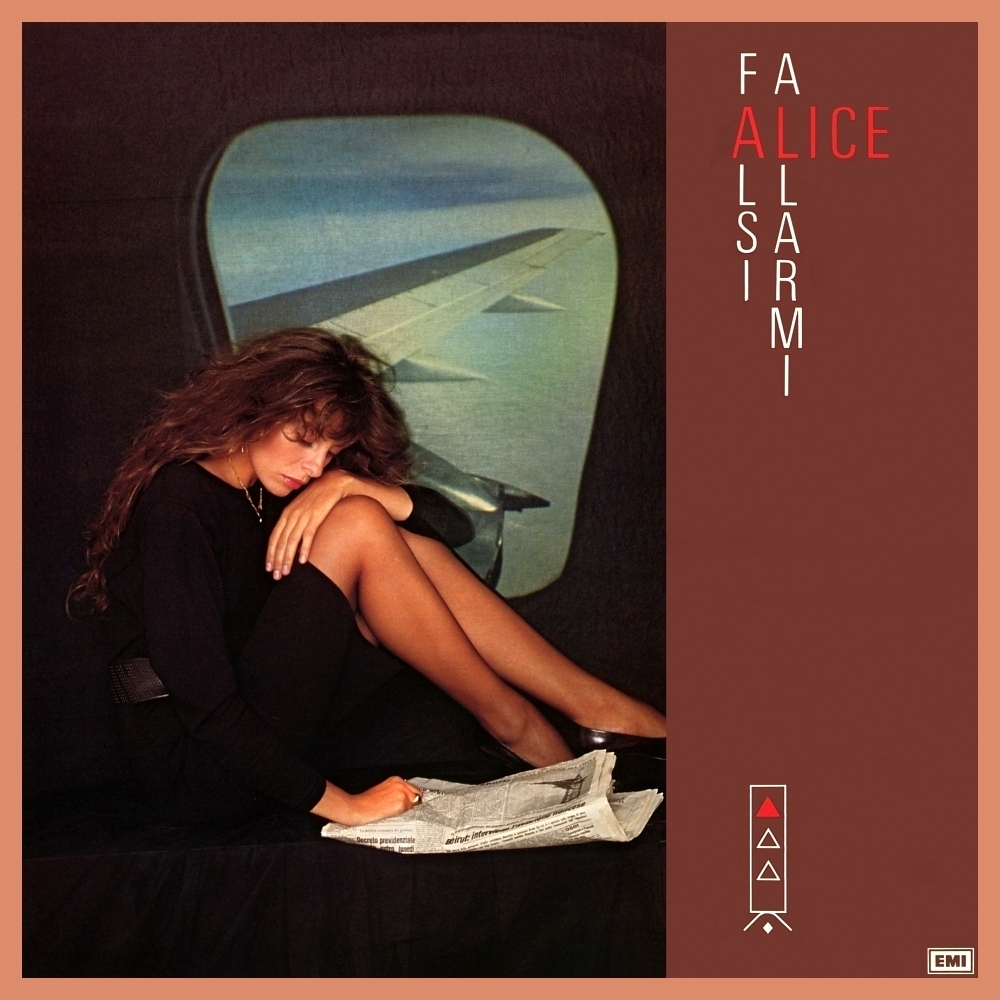
 View Artist