Song Meaning
The lyrics paint a stark picture of cyclical struggle and regret. The narrator finds himself "into the flood again," a powerful image suggesting being overwhelmed by familiar, destructive patterns. This isn't a new experience; it's the "same old trip it was back then," hinting at a history of repeating mistakes. The core of the conflict seems to stem from a fundamental misunderstanding or inability to connect, encapsulated by the line "Try to see it once my way."
The verses introduce a sense of detachment and loss of control. "Broken by my master" and "sole desertion" evoke a feeling of being subjected to forces beyond one's command, leading to a passive drifting. The phrase "flying, not yet quite the notion" suggests a desire for escape or transcendence that remains elusive, a thought not yet fully formed or achievable. This internal paralysis fuels the recurring chorus of regret.
The outro shifts to a series of desperate questions, amplifying the emotional weight. "Am I wrong?" and "Have I run too far to get home?" reveal a profound fear of irreversible separation and a yearning for reconciliation. The repeated query, "Left you here alone," underscores the potential consequences of the narrator's actions or inactions. The final, haunting question, "If I would, could you?" encapsulates the central tension: a plea for understanding and a hope for forgiveness, contingent on a willingness to change that feels uncertain.
What makes these lyrics resonate is their raw portrayal of self-inflicted cycles and the gnawing uncertainty that follows. The simple, direct language, particularly in the chorus and outro, bypasses complex metaphor to hit directly at feelings of guilt, isolation, and the desperate hope for a way back. The repetition of the chorus hammers home the inescapable nature of the narrator's predicament, while the final questions leave the listener suspended in a state of unresolved longing.
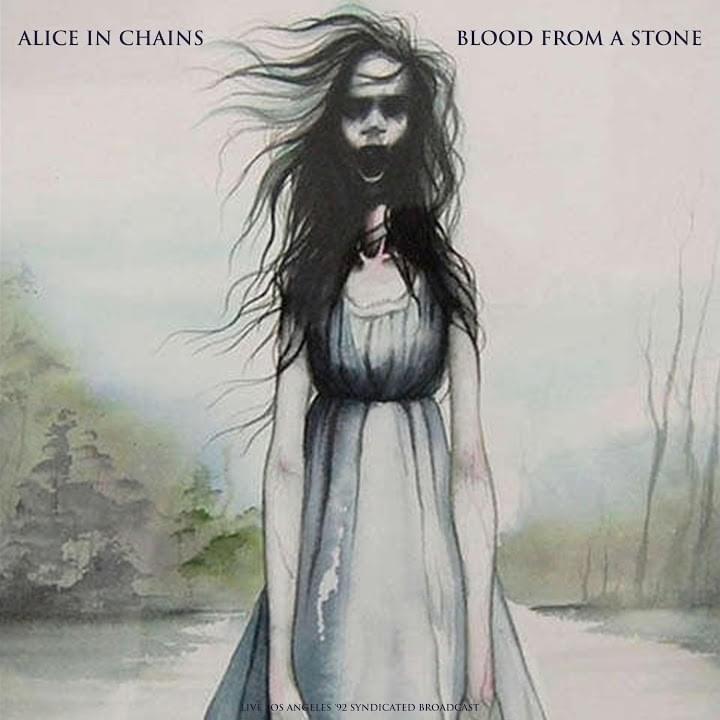
 View Artist