Song Meaning
These lyrics paint a stark, unyielding picture of a life lived on the edge, where danger is a constant, looming presence. "Scary's on the wall / Scary's on his way" isn't just a warning; it's a grim prophecy, a declaration that peril is not just near, but actively approaching. The scene is one of immediate, visceral consequence.
The central tension arises from the chilling chorus: "And we die young / Faster we run." This isn't a celebration of recklessness, but a fatalistic observation. The paradox suggests that the very act of trying to escape or live intensely in this environment only accelerates the inevitable end, a desperate sprint towards a predetermined finish line. The narrator observes the cycle, noting, "Then you got hit / And you should've known better," implying a predictable, almost self-inflicted doom.
The craft here is in the brutal, unromanticized imagery. Lines like "Watch the blood float in the muddy sewer" and "Bullet seek the place to bend you over" don't just describe violence; they make you feel its cold, dirty reality. The language is direct, almost clinical in its depiction of decay and destruction, stripping away any heroic notions of a dangerous life to reveal its grim, squalid aftermath. Even the casual instruction to "Take another hit / And bury your brother" links self-destruction directly to profound loss.
Ultimately, the lyrics are effective because they refuse to flinch. The relentless repetition of the chorus and the stark, declarative sentences create a sense of inescapable doom. It's a raw, unflinching commentary on an existence where youth is fleeting, and the only certainty is a premature end, a consequence of a world that offers little escape or mercy.
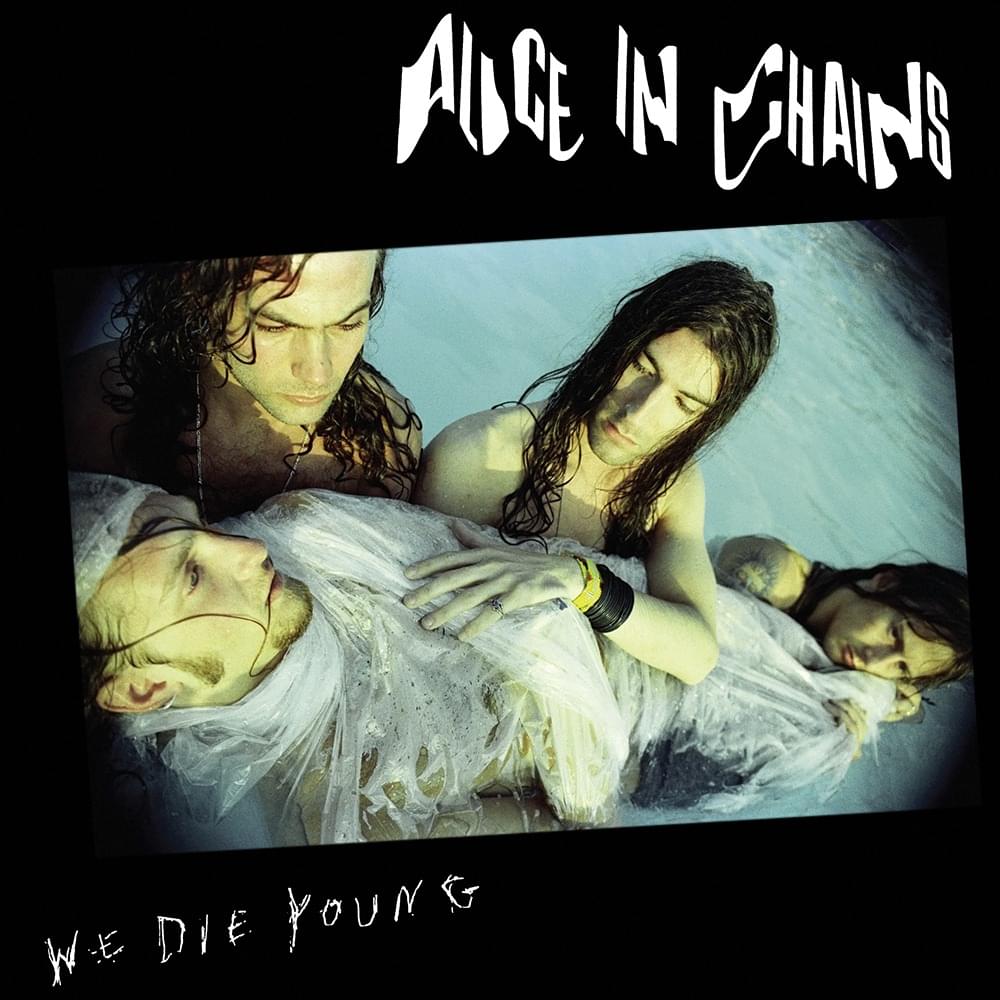
 View Artist