Song Meaning
The lyrics paint a stark picture of self-imposed confinement and a desperate, almost masochistic plea for release. The narrator identifies as "the man in the box," "buried in my shit," immediately establishing a tone of suffocating despair and self-loathing. This isn't just a physical box; it's a mental and emotional prison built from internal rot and shame. The repeated "Won't you come and save me?" acts as a desperate cry into the void, highlighting a profound sense of helplessness.
The central tension lies in the paradoxical request to "Feed my eyes" while simultaneously being asked, "Can you sew them shut?" This creates a disturbing push-and-pull between a desire for input or experience and a need for oblivion. The invocation of "Jesus Christ" followed by "Deny your maker" suggests a rejection of salvation or a twisted understanding of faith, where even divine intervention is met with resistance or a demand for self-destruction. The phrase "He who tries / Will be wasted" reinforces a bleak fatalism, implying that any attempt at escape or change is doomed to failure.
The most striking craft element is the unsettling dialogue embedded within the chorus. The parenthetical interjections act as a dark, internal voice or a cruel external force, directly contradicting and amplifying the main plea. This creates a disorienting effect, as the narrator's desire to be "saved" is immediately met with the suggestion of being further entrapped, "Now you've sewn them shut." The imagery of being "buried in my shit" and a "dog who gets beat" further solidifies the theme of degradation and being forced to confront one's own filth.
Ultimately, these lyrics resonate through their raw portrayal of internal conflict and the chilling acceptance of a destructive fate. The writing doesn't offer easy answers or a clear path to redemption; instead, it forces the listener into the narrator's suffocating headspace. The effectiveness comes from the visceral imagery and the deeply unsettling, almost claustrophobic, dialogue that leaves one feeling trapped alongside the speaker, questioning the very nature of desire and salvation.
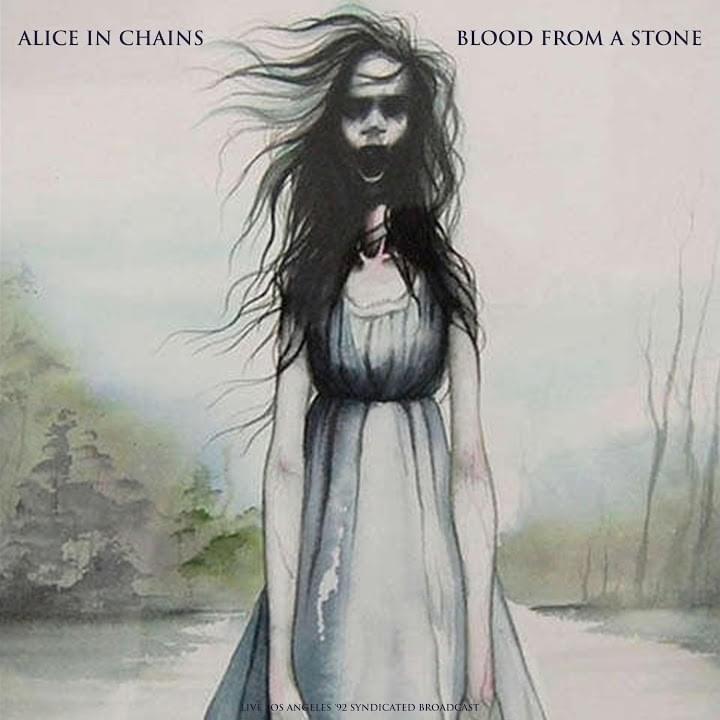
 View Artist