Song Meaning
The lyrics paint a stark picture of a relationship where one person feels utterly drained and taken advantage of by another. The opening lines question the other's perception, asking, "Does anybody really know / What you see in me?" This immediately sets a tone of insecurity and doubt. The image of "tiny, melted castles / In the summer rain" suggests fragile, ephemeral dreams or perhaps a distorted self-image being washed away, hinting at a loss of innocence or a crumbling sense of self under external influence.
The central tension arises from the narrator's perception of the other person as a "spineless coward" who adopts a "big, big smile" while seemingly stealing the narrator's "dream of life." This parasitic dynamic is brutally captured in the repeated phrase, "Surviving when my womb is hollow." The "womb" here appears to represent a core source of life, creativity, or emotional sustenance, which has been emptied by the other's actions. The repetition emphasizes the profound emptiness and desolation the narrator feels.
The craft of this song hinges on its sharp, accusatory language and the visceral metaphor of the hollow womb. The contrast between the other's outward "smiles" and their inner "spineless coward" highlights a deep deception. The narrator's self-description as "selfless" in the second verse, mirrored by a "selfless" mirror that creates "a hundred faces," suggests a desperate attempt to find connection or identity, but it only results in further self-consumption: "We're burning me." This internal conflict amplifies the external one.
Ultimately, the lyrics resonate because they articulate a profound sense of depletion and betrayal with unflinching honesty. The repeated declaration "My womb is hollow" acts as a raw, guttural expression of this emptiness, making the listener feel the weight of the narrator's emotional exhaustion. It’s a powerful portrayal of how another's perceived emptiness can lead to one's own.
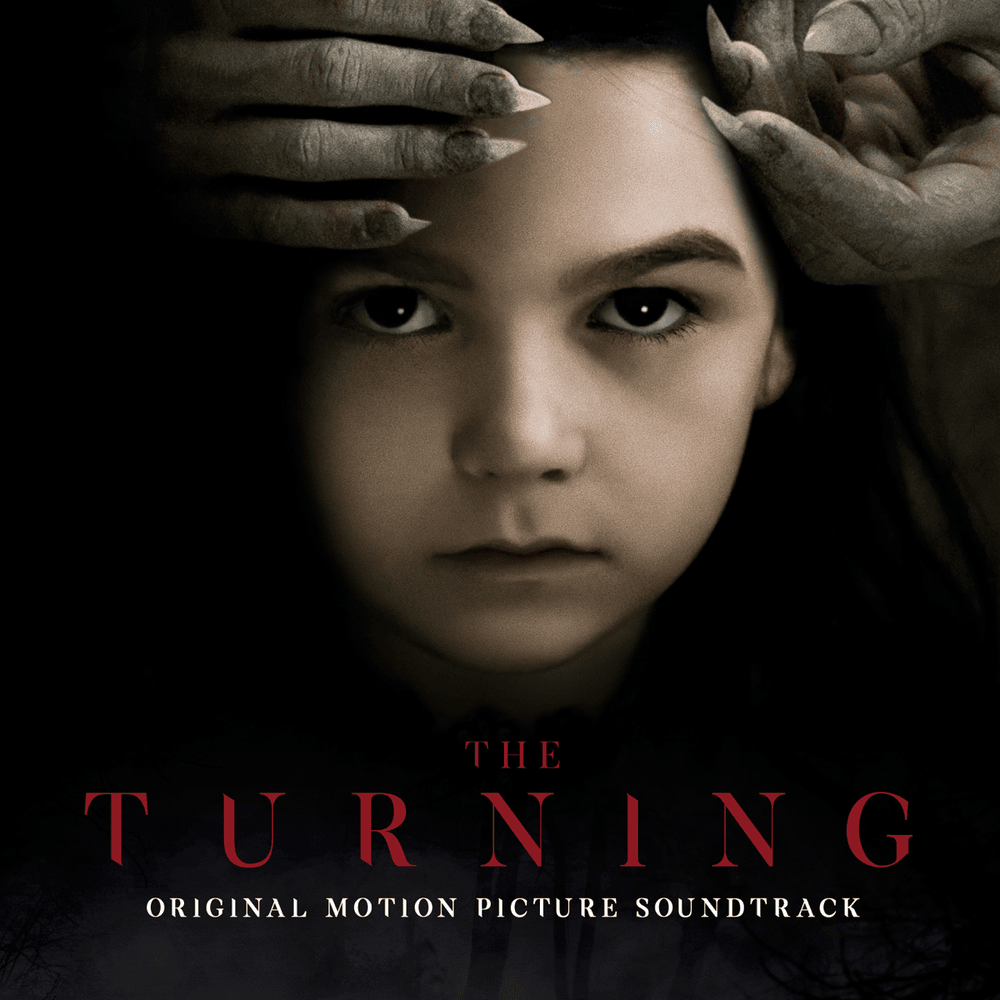
 View Artist