Song Meaning
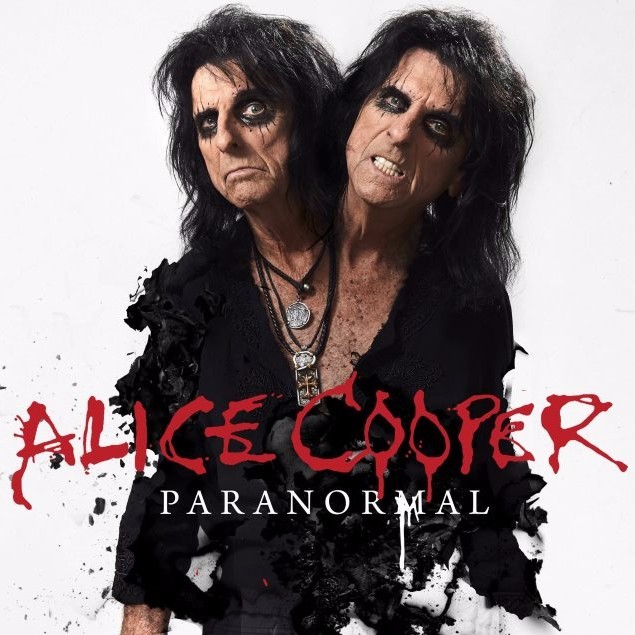
Alice Cooper's "Private Public Breakdown" is a masterclass in theatrical self-destruction, a carnival funhouse mirror reflecting the fractured psyche of a performer perpetually caught between the stage and the self. The opening lines, "I know tomorrow's not today / I'm on my knees but not to pray," immediately establish a state of disorientation and rebellion. This isn't a plea for redemption; it's a defiant acknowledgment of unraveling. The repetition of "I hope you like my, I hope you love my / I hope you see my private public breakdown" is darkly comedic, almost taunting the audience to revel in his unraveling. The song meaning resides in this twisted invitation, blurring the lines between performance art and genuine crisis.
The lyrics hint at a fragile grasp on reality, with lines like "I'm pretty sure that I can fly / Over the trees, but twice as high" suggesting a detachment from the mundane. This could be interpreted as a symptom of mental instability or, more likely within Cooper's established persona, a deliberate embrace of the absurd. The mention of the "secret service" being made "nervous" adds a layer of paranoia and grandiosity, painting a picture of a figure who sees himself as both a spectacle and a threat. The phrase "I'm the savior resurrected" tips the song into the realm of mock-messianic delusion, a classic Cooper trope.
The insistence that he doesn't need "meds to tie me down / Or squads of feds to stand around" underscores a rejection of external control. The artist is not seeking help or intervention; he's embracing the chaos, even reveling in it. The final declaration, "And I assure you / That given time, I can cure you," is the ultimate act of twisted messianism. Is he promising salvation, or threatening to infect others with his madness? The ambiguity is the point. "Private Public Breakdown" is not simply a song; it's a carefully constructed performance of mental disintegration, leaving the listener to question where the act ends and the authentic self begins. This song lyrics analysis reveals a complex and provocative exploration of identity, sanity, and the seductive power of spectacle.
 View Artist