Song Meaning
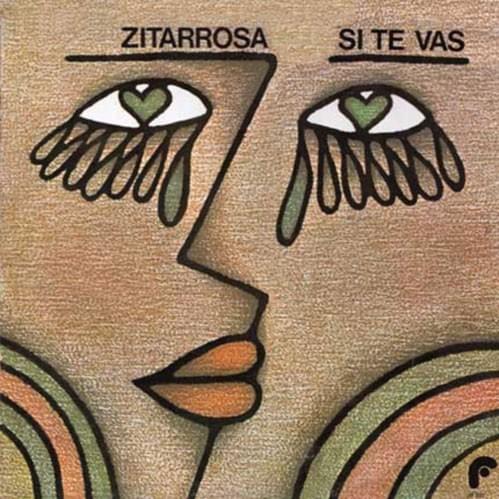
The narrator expresses a profound sense of detachment, marked by the repeated phrase "Qué pena, que no me duela" (What a shame it doesn't hurt me). This isn't a celebration of freedom from pain, but rather a lament that the emotional sting of a past love has vanished. The core of the lyrics lies in this paradoxical sorrow: the pain of no longer feeling pain. It suggests a love so deeply buried or a personal transformation so significant that the very memory of the person, and the associated suffering, has lost its power.
The central tension arises from the narrator's questioning of the past lover's present state and their shared history. "Dónde andarás / A quién odiarás" (Where will you be / Whom will you hate) and "Qué pensarás / A quién le dirás" (What will you think / Whom will you tell) reveal a lingering curiosity, but it's framed by the narrator's own emotional void. The narrator contrasts the lover's past intensity, "De amor te morías / Por no poder amar" (You were dying of love / For not being able to love), with their current ability to forget, "El que ayer te quería / Hoy te puede olvidar" (The one who loved you yesterday / Can forget you today). This highlights a shift where the narrator has moved past the emotional turmoil, leaving the past lover's potential present feelings unanswered.
The most striking craft element is the inversion of expected sentimentality. Instead of mourning lost love, the narrator mourns the loss of the *feeling* of lost love. The repetition of "Qué pena, que no me duela / Tu nombre ahora / El dolor" acts as a somber refrain, emphasizing the emptiness where intense emotion once resided. The questions directed at the absent lover serve not to seek reconciliation, but to underscore the narrator's own disengagement, as if observing a distant, faded photograph and noting its lack of color.
This lyrical construction is effective because it taps into a complex, often unspoken aspect of heartbreak: the fear of becoming numb. The narrator's sorrow isn't for the lover, but for the self that has lost the capacity to feel deeply about this specific past. The stark, almost clinical observation of their own emotional state, juxtaposed with the imagined intensity of the past, creates a poignant reflection on how time and self-preservation can alter our connection to even the most significant relationships.
 View Artist