Song Meaning
The lyrics paint a picture of intense, almost desperate love, centered around a woman identified as "Santiagueña." The narrator's desire is palpable, expressed through visceral imagery like "Arden mis labios por ti" (My lips burn for you) and "Muriéndome de amor" (Dying of love). This isn't a gentle affection; it's a consuming passion that dominates the narrator's heart and mind, making her the absolute "dueña" (owner) of it.
The central tension lies in the push and pull of this relationship, hinted at by the recurring phrase "Temblando vuelves a mí / Dejándome tu adiós" (Trembling you return to me / Leaving me your goodbye). This suggests a cycle of return and departure, where moments of closeness are immediately followed by separation, leaving the narrator in a state of emotional turmoil. The contrast between the woman's "manos pequeñas" (small hands) and the immense emotional weight she carries for the narrator is striking.
The writing uses natural imagery to elevate the beloved. She is called "Amorosa flor de mi tierra" (Loving flower of my land) and "Miel santiagueña, dulce como el mistol" (Santiagueña honey, sweet as mistol). These comparisons ground her in the local landscape while simultaneously idealizing her sweetness and natural beauty. The repetition of "Santiagueña, de mi corazón" acts as an anchor, reinforcing her deep hold on the narrator's affections, almost like a mantra.
Ultimately, the power of these lyrics comes from their raw emotional expression and the way they intertwine personal devotion with a sense of place. The narrator's world revolves around this woman, whose presence, even in absence, elicits "lágrimas de pasión" (tears of passion). The repeated invocation of her origin and her claim on his heart creates a portrait of a love that is both deeply personal and rooted in a specific cultural identity.
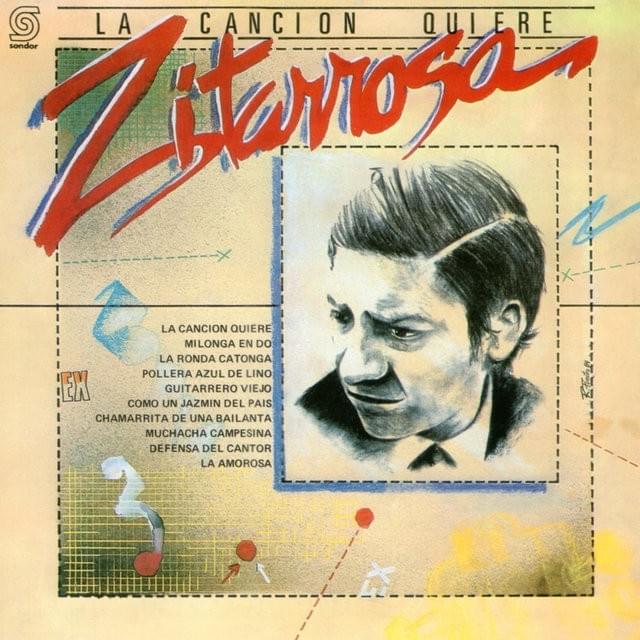
 View Artist