Song Meaning
The lyrics paint a vivid picture of persistent memory and the pain it inflicts. The narrator is haunted by a past presence, stating, "Y tu recuerdo / Permanecido" (And your memory / Has remained). This memory isn't passive; it actively communicates, "Me está diciendo / Me está diciendo / Que no hay olvido" (It is telling me / It is telling me / That there is no forgetting). The core of the song lies in this inescapable remembrance, a stark contrast to any desire for peace or closure.
The emotional landscape is one of deep anguish, vividly conveyed through the recurring image of "Como puñales / Filos metidos" (Like daggers / Edges inserted). This isn't a gentle ache, but a sharp, visceral pain that feels deeply embedded, described as being "En manantiales" (In springs). The juxtaposition of sharp, violent imagery with the natural, flowing image of springs suggests that this pain is both intense and a fundamental, perhaps even life-giving, source of the narrator's current state.
A striking shift occurs in the fourth stanza, where the narrator moves from passive suffering to active rejection. The memory is addressed directly, with the narrator declaring, "Madero muerto / Madero muerto / Te crucifico" (Dead wood / Dead wood / I crucify you). This powerful, almost violent act of "crucifying" the memory signifies a desperate attempt to sever ties, to put an end to its torment. The repetition of "Madero muerto" emphasizes the perceived lifelessness and irrelevance of the past entity, yet the act of crucifixion itself highlights how much power it still holds over the narrator's psyche.
The effectiveness of these lyrics stems from their raw, unflinching portrayal of emotional trauma. The repetition, particularly of the pain and the memory's insistence, creates a claustrophobic atmosphere that mirrors the narrator's trapped state. The final stanza, a desperate plea "¿A qué has venido? / Vuelve al pasado / Déjame solo" (Why have you come? / Go back to the past / Leave me alone), underscores the profound exhaustion and the urgent need for liberation from a memory that refuses to fade, making the internal struggle palpable.
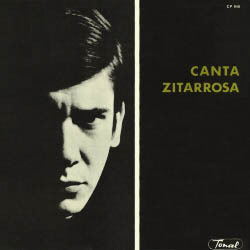
 View Artist