Song Meaning
The lyrics paint a picture of a relationship built on fragility and self-destruction. The opening lines immediately establish a sense of loss, comparing the ease with which trees are cut down to the narrator losing their ability to breathe and their partner losing their heart. This suggests a deep, almost existential damage inflicted upon both individuals, directly linked by the narrator's actions. The repeated phrase "Human nature grew its trees" implies a natural order or potential that has been carelessly discarded, setting a somber tone for what follows.
The central tension lies in the cyclical, almost performative nature of their connection, framed by the insistent chorus: "It's just a dance of love / Our love is just a dance." This repetition transforms the idea of a dance from a potentially joyful expression into something more mechanical and perhaps even futile. It suggests a routine they can't escape, a pattern of interaction that may be beautiful on the surface but lacks genuine substance or lasting stability. The act of dancing becomes a metaphor for their relationship's movement, which is constant but ultimately leads nowhere.
The second verse introduces a desperate attempt to recapture a lost past or create a false sense of security. The narrator wants to "play pretend with yesterday" and believes they can "samba till the moon goes home," a fantastical image of enduring, perhaps reckless, movement. However, this is immediately undercut by the desire to "close my eyes to be alone," revealing a deep internal conflict and a longing for escape even within the dance. The bridge further emphasizes this recklessness, with the narrator admitting to running into a "hurricane" and leaving friends behind, highlighting a destructive impulse that prioritizes the chaotic relationship over other aspects of life.
Ultimately, the effectiveness of these lyrics stems from their stark imagery and the unsettling contrast between the idea of love and the repetitive, almost desperate act of dancing. The narrator's admission of causing harm and their subsequent immersion in this "dance" creates a poignant portrayal of a relationship that is both captivating and deeply flawed. The constant refrain of the dance, despite the underlying destruction, suggests a powerful, perhaps unhealthy, inertia that keeps them locked in their cycle.
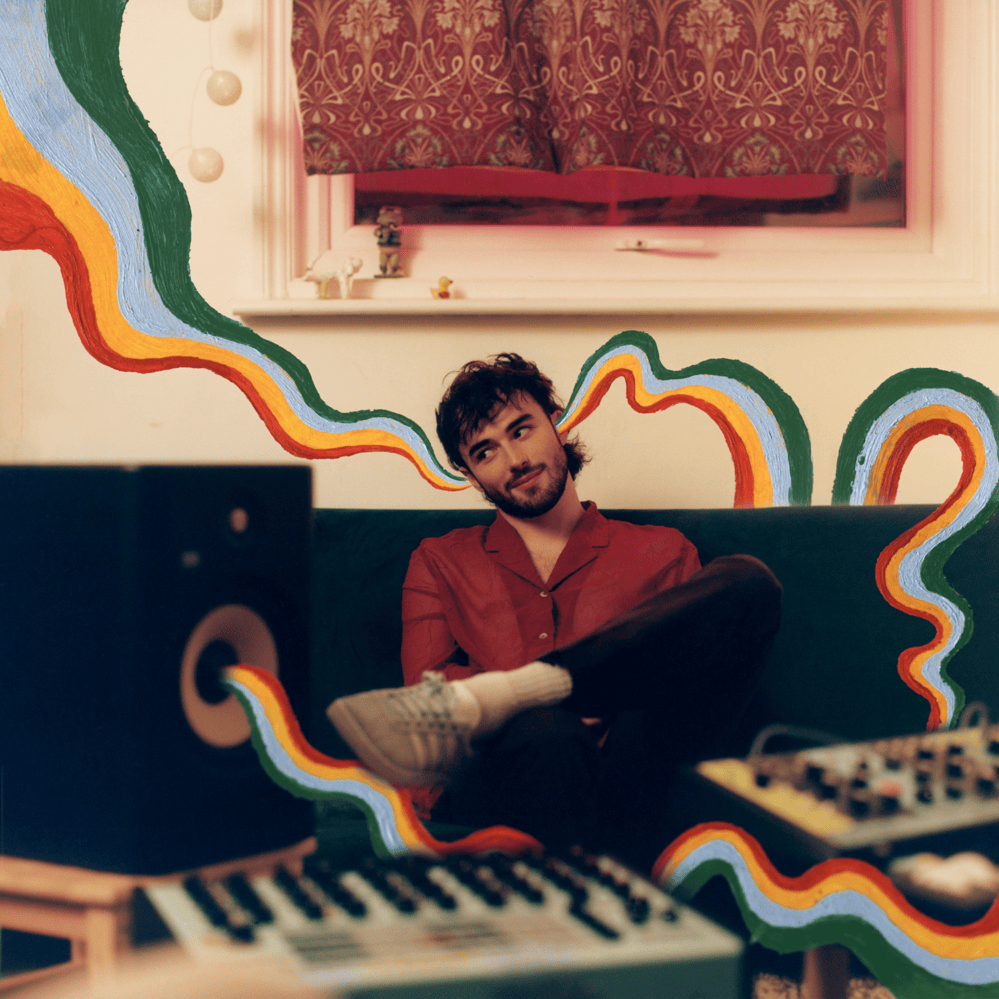
 View Artist