Song Meaning
The lyrics paint a stark picture of enlistment, driven by a simple, almost transactional call to arms. "Here's forty shillings on the drum" immediately grounds the grand adventure in a tangible, meager payment, highlighting the economic incentive behind the patriotic fervor. The repeated refrain, "Over the hills and far away," becomes less an anthem of glory and more a euphemism for a dangerous, distant duty, a place where soldiers are sent and may never return.
The central tension lies between the outward call to duty and the internal pull of home. While the narrator acknowledges, "When duty calls me, I must go / To stand and face another foe," there's a poignant admission that "part of me will always stray." This internal conflict underscores the personal cost of war, suggesting that even the most obedient soldier carries a piece of themselves left behind, yearning for a life beyond the battlefield.
The most striking aspect of the craft is the juxtaposition of grand geographical scope with the stark reality of military obedience. The mention of "Flanders, Portugal and Spain" evokes a vast, almost romanticized theater of war, yet this is immediately undercut by the unyielding command: "King George commands and we obey." This phrase, repeated with relentless finality, strips away any pretense of choice, reducing the soldiers' actions to mere compliance.
This song's effectiveness stems from its unflinching portrayal of the soldier's lot. It doesn't glorify war but presents it as a grim obligation, a transaction where lives are exchanged for a few shillings and the promise of distant lands. The final verse, contemplating the possibility of falling and requesting the drums to play "Over the hills and far away," transforms the refrain into a somber elegy, a final, distant farewell.
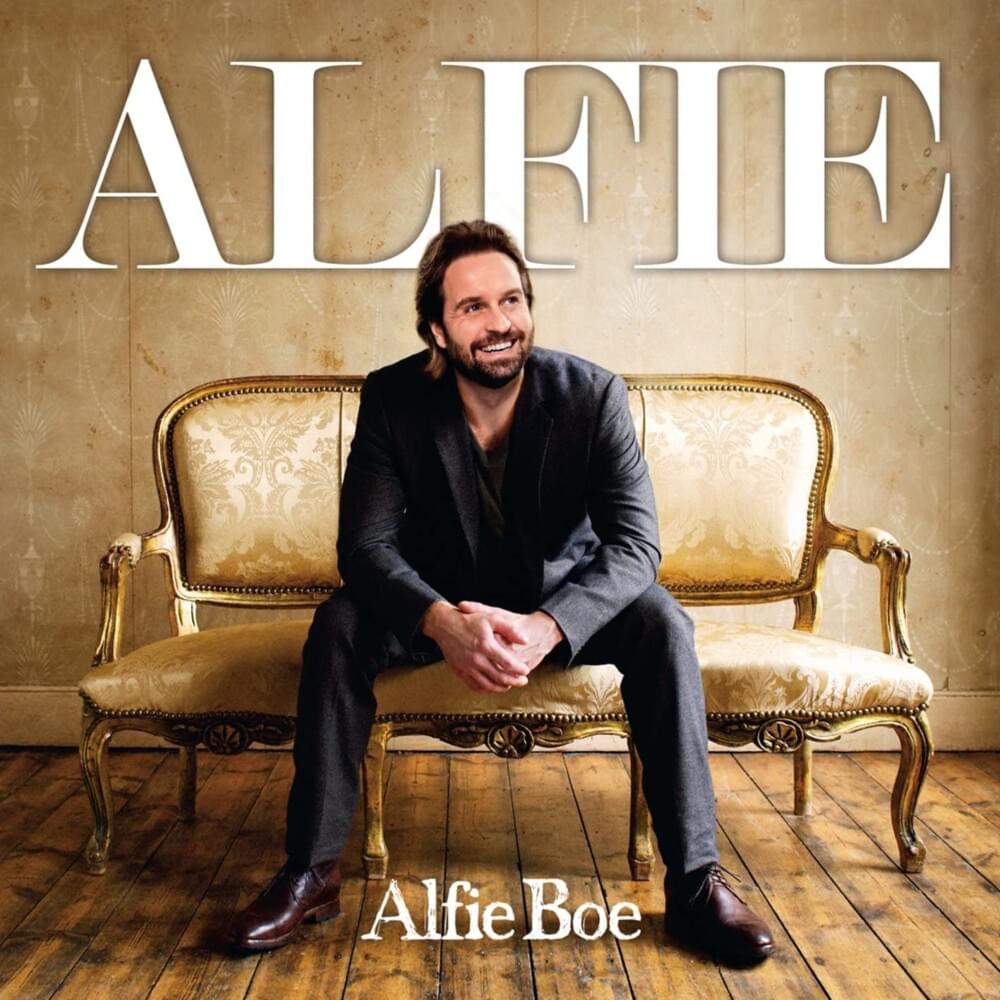
 View Artist