Song Meaning
The narrator casts his mind back, framing his life through distinct, highly positive periods. At seventeen, the year was good for "small town girls" and secret moments "on the village green." Then, at twenty-one, the scene shifts to "city girls" and a more sophisticated, perhaps illicit, encounter where "it came undone." The lyrics establish a pattern of youthful romantic success, each age bringing a specific type of memorable experience.
The narrative then jumps to thirty-five, detailing a period of affluence with "blue-blooded girls" and luxurious rides in limousines. This phase highlights a different kind of fulfillment, one associated with status and material comfort. The recurring phrase "It was a very good year" acts as a refrain, reinforcing the idea that each distinct stage of his life was marked by significant, positive romantic or social encounters.
The song's most striking craft element is its temporal structure and the contrast it creates. By segmenting his life into these specific age-based vignettes, the narrator emphasizes a life rich with varied experiences. The final stanza pivots dramatically, introducing the metaphor of his life as "vintage wine" from "fine old kegs," acknowledging the passage of time and the richness of accumulated memories. This shift from specific encounters to a broader, reflective metaphor provides a poignant conclusion.
This lyrical structure is effective because it grounds abstract notions of a life well-lived in concrete, relatable snapshots. The repetition of "It was a very good year" creates a sense of nostalgic affirmation, while the final, more complex image of wine suggests a mature appreciation for the entirety of his past. The lyrics don't just state a good life; they show it through distinct, evocative scenes, culminating in a rich, aged perspective.
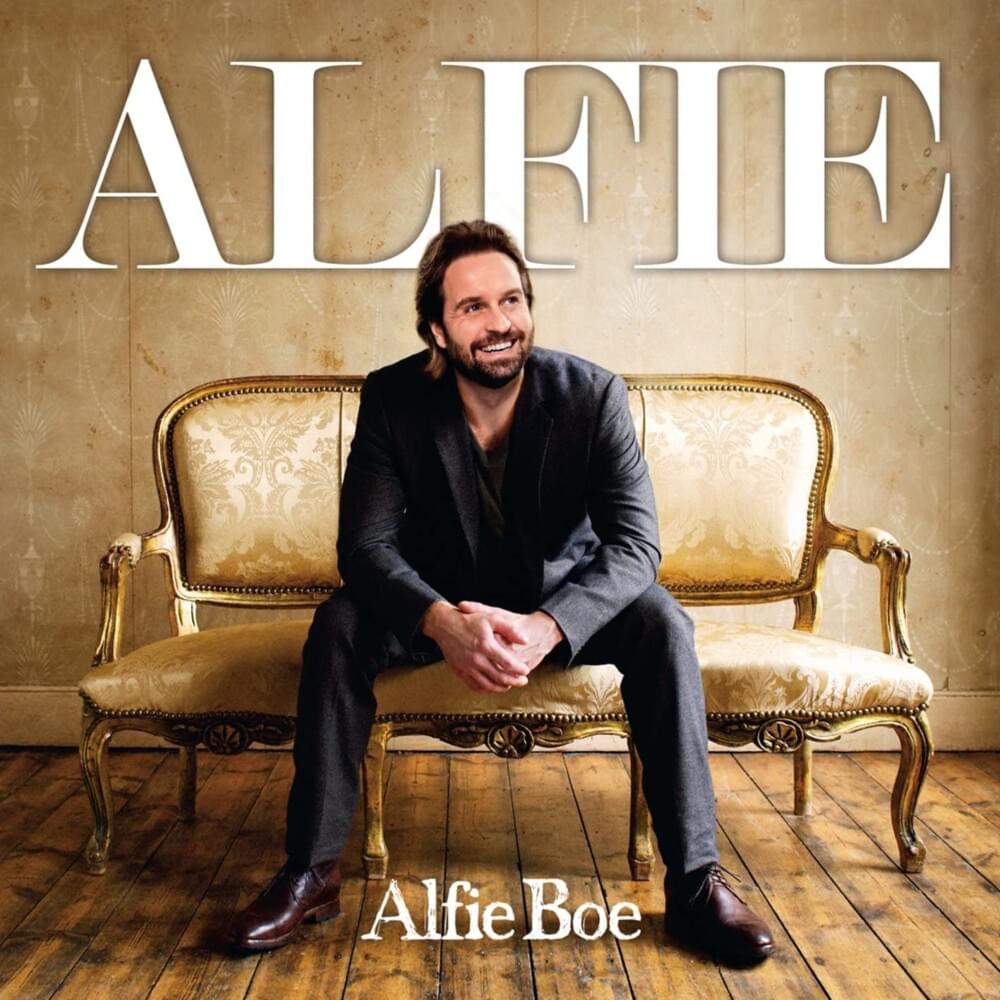
 View Artist