Song Meaning
The lyrics paint a picture of rural life where beauty and truth are questioned. "Vakre viser er æiller lange" (Beautiful songs are always long) and "vakre ord ska en æiller tru" (beautiful words one should always believe) set a tone of skepticism towards idealized narratives. This immediately establishes a contrast between outward appearances or pleasantries and a more complex, perhaps harsher, reality.
The scene shifts to specific characters experiencing different emotional states. Hæin Even seems content in a crowd, while Hu Lise weeps alone in a mountain hut. The hen clucks and the cuckoo calls, natural sounds that underscore the human drama. The young woman sighs over her "tronge kåpa si" (tight coat), suggesting a struggle with poverty or limitation.
The most striking element is the juxtaposition of individual hardship with communal anticipation. While Lise cries and the young woman sighs, the "kjerringer i Skravelbakka" (women in Skravelbakka) are preparing for a feast of "go`brød og biteti" (good bread and treats). This contrast highlights how personal suffering can coexist with, or be overlooked by, moments of collective celebration or simple sustenance.
This lyrical snapshot is effective because it grounds abstract ideas about beauty and belief in concrete, relatable images of rural existence. The simple, almost folksy language, combined with the sharp contrast between private sorrow and public anticipation, creates a poignant, understated commentary on the uneven distribution of comfort and happiness.
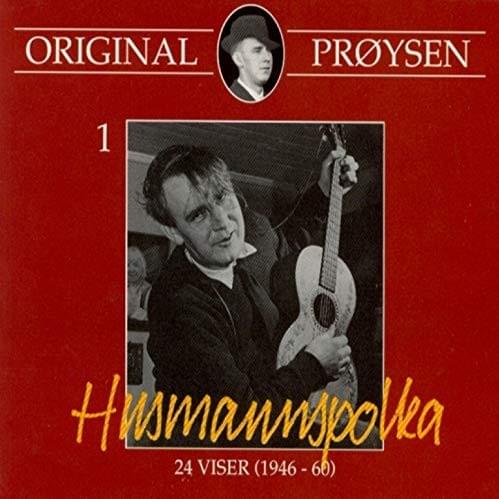
 View Artist