Song Meaning
This track paints a picture of rural prosperity and a fervent, almost cult-like devotion to milk. The opening lines immediately establish a scene of joy emanating from the barn, driven by the chant "Ett øre mer for mjålka!" (An ear more for the milk!). This isn't just about production; it's a celebration where the cow becomes a "stasdyr" (prized animal) and the farmer reaps rewards, suggesting a direct, almost magical link between the cow's well-being and financial gain. The inclusion of "Centerpartiet har fest i år" (Center Party has a party this year) hints at a political or societal endorsement of this agrarian ideal, aligning urban and rural interests under the banner of milk.
The lyrics then pivot to a more aggressive, exclusionary vision of this milk-centric economy. The call to "Bort med kalkun og broiler og æilt som har fjør!" (Away with turkey and broiler and all that has feathers!) and "Sauer og griser ska sættas på dør!" (Sheep and pigs shall be put out the door!) reveals a fierce protectionism, prioritizing milk above all other farm products. This isn't just about increasing milk yield; it's about a radical simplification of agriculture, focusing solely on the cow and its output, even calling for "kraftför og insemitør" (feed and inseminator) to maximize efficiency. The repeated refrain reinforces this singular focus, creating a relentless, almost hypnotic rhythm.
What's striking is the almost absurd elevation of milk and dairy products, described with hyperbolic glee. "Pultosten blir så gla så'n krabbe ta seg sjøl!" (The whey cheese gets so happy it grabs itself!) is a bizarre, anthropomorphic image that underscores the almost surreal joy associated with milk production. The lyrics then shift to a vision of a highly specialized, lucrative future: "framtid med topplønn og kukultur" (future with top pay and cow culture) and "Spesial be-hå for tunge jur" (Special bra for heavy udders). This suggests a hyper-commercialized, almost fetishized approach to dairy farming, where the cow's udder is the ultimate symbol of success, and any threat to milk prices is met with dire warnings of "mjålka sur" (sour milk).
Ultimately, the lyrics seem to critique this narrow, almost fanatical focus on milk. The final lines, "Mjålka er god å ha, knurre folk i byom / Så kæin dom jammen ta og produsere sjøl!!" (Milk is good to have, grumble people in town / Then they can damn well produce it themselves!!), deliver a sharp, sarcastic jab. It suggests that this intense, almost nationalistic devotion to milk might be a response to urban skepticism or demand, but it ends with a defiant, almost isolationist sentiment. The relentless cheerleading for milk, while initially sounding like pure celebration, reveals itself as a potentially unsustainable, exclusionary ideology.
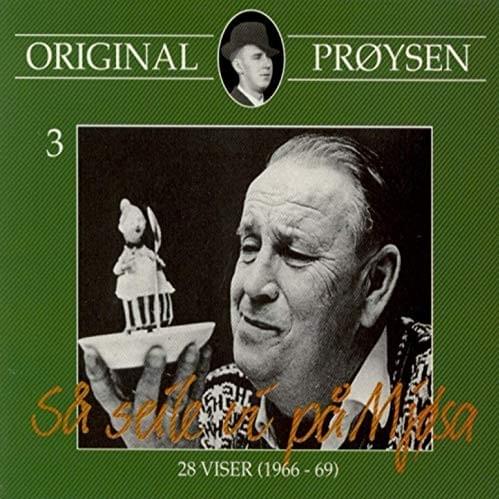
 View Artist