Song Meaning
These lyrics immediately plunge us into a deep yearning for a past feeling, a sentiment so profound it would require nothing less than a complete reset. The narrator suggests that to recapture "aquello / Que sentimos esos días," they would need to "nacer de nuevo" and "de nuevo enamorarnos." This isn't just nostalgia; it's a recognition that the past's unique magic is irrevocably gone, dismissed as "pura fantasía."
The central tension here lies between the vivid, almost aching recall of intimate moments and the stark, repeated declaration of their impossibility. The lyrics paint a picture of a lost newness, a time when they could "estrenar un mundo / Y estrenar la vida." This isn't merely a desire to relive events, but to reclaim the freshness and spontaneity that defined that initial connection.
The craft truly shines in its sensual imagery and the mournful repetition of "Eso no podrá volver." We get glimpses of a "mano inquieta / Que temblaba con la mía" and the uninhibited exploration of "tus rincones sin saber por donde iba." These specific, tender details make the finality of the loss all the more poignant, as if the memories themselves are a bittersweet torture, unattainable even "Aunque al cielo se lo pida."
What makes these lyrics so effective is how they convey the depth of the past connection through the partner's complete surrender. The lines describing how "tu te abandonabas sin pensar / Y a la deriva" and "entregabas a placeres sin medidas" illustrate a rare, uninhibited passion. This profound, shared experience, now lost, underscores why its absence feels like such an irreversible void, making the narrator's resigned acceptance resonate deeply.
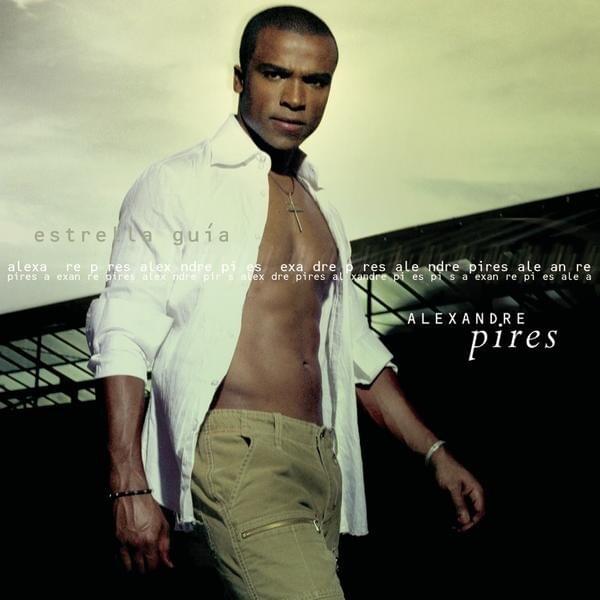
 View Artist