Song Meaning
Alexander Rybak's "I ditt sommarhus" paints a vivid, almost idyllic portrait of summer life, but beneath the surface of buzzing insects and apple blossoms lies a deeper exploration of belonging and the bittersweet transience of joy. The song's meaning isn't just about a summer house; it's about a state of mind, a temporary escape into simplicity and connection. The opening verses create a sensory-rich landscape, depicting the journey to this haven. The father's arrival, anticipated by excited children, is less about material gifts ("Kanske har han nå't från sta'n!") and more about the ritual of togetherness. Even the intruding mosquitoes become a minor inconvenience in this overall scene of warmth. This initial vision suggests a yearning for simpler times, a retreat from the complexities of modern life into a space where family bonds are strengthened.
However, the latter half of the song introduces a subtle undercurrent of melancholy. The moon 'tigers over berg,' a powerful image that suggests a silent, watchful presence, hinting at the ephemeral nature of these perfect moments. The flitting bats, unseen in the night, symbolize the unseen forces of change and time. The final verses, with their focus on waking up in this 'summer paradise,' highlight the temporary nature of the escape. The image of the insect "Törnar ofta mot en ruta / I ditt eget sommarhus" is particularly poignant. It speaks to a sense of confinement within the idyllic setting, a recognition that even in paradise, there are limitations and a yearning for something beyond.
Ultimately, the "I ditt sommarhus" lyrics analysis reveals a meditation on the beauty and fleeting nature of summer happiness. Rybak's song isn't simply celebrating a vacation; it's exploring the psychology of escapism and the bittersweet reality that even the most cherished moments are temporary. The song resonates because it acknowledges both the joy of these experiences and the underlying awareness that they cannot last forever. It captures the human desire to create a sanctuary, while simultaneously recognizing the inevitability of change and the longing for something more, even within that sanctuary.
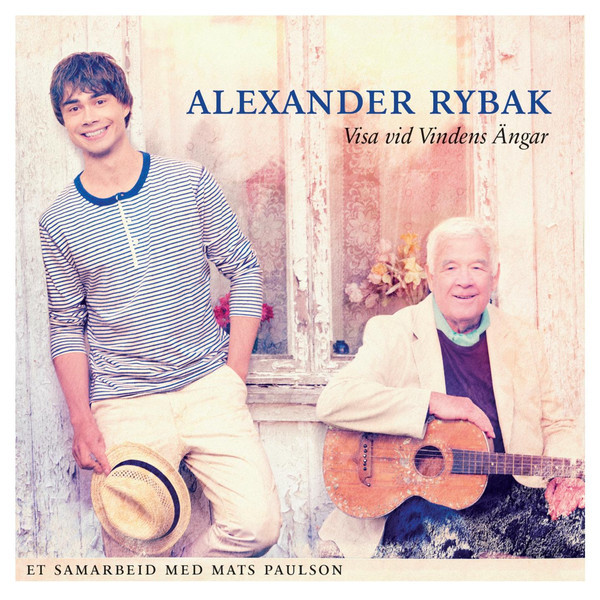
 View Artist