Song Meaning
The lyrics paint a picture of a comfortable, if slightly detached, domestic scene, centered around a relationship and a third presence named Dolly. The opening verse sets a quirky tone with "Toast under pickles," suggesting an unconventional approach to simple things, mirrored by the narrator's "machine" contrasting with the partner's "riddles." Dolly, a constant presence, seems to exist outside the human anxieties of time and memory, a stark contrast to the narrator's partner who loves "riddles" and the narrator's own implied busy-ness with their "machine."
The core tension lies in the differing perspectives and preferences within the relationship, highlighted by the "country vs. city" divide. While the partner finds ease in "weekends easy without the despair / Of trying to recall the night," the narrator seems more grounded in the present, perhaps even a little lost in the partner's abstract nature. Dolly, however, remains a stable, unchanging element, her love for "all of the time" a quiet anchor against the couple's subtle divergences.
The bridge offers a moment of clarity, emphasizing the value of recognizing and cherishing what one possesses. "Oh, when you know what you have / Yeah, you don't take your eyes off of it." This sentiment feels directed both inward and outward, a reminder to appreciate the stability and perhaps the unique dynamics of their shared life, especially in contrast to the fleeting nature of memory or the passage of time.
Ultimately, the effectiveness of these lyrics comes from their understated portrayal of a relationship's quiet rhythms and unspoken understandings. The mundane details, like "toast under pickles," become markers of intimacy and habit. The recurring presence of Dolly, who "paints and she leaves out no color" before falling "asleep in the wind," adds a layer of gentle melancholy and artistic freedom, suggesting that even within routine, there's space for vibrant expression and peaceful repose.
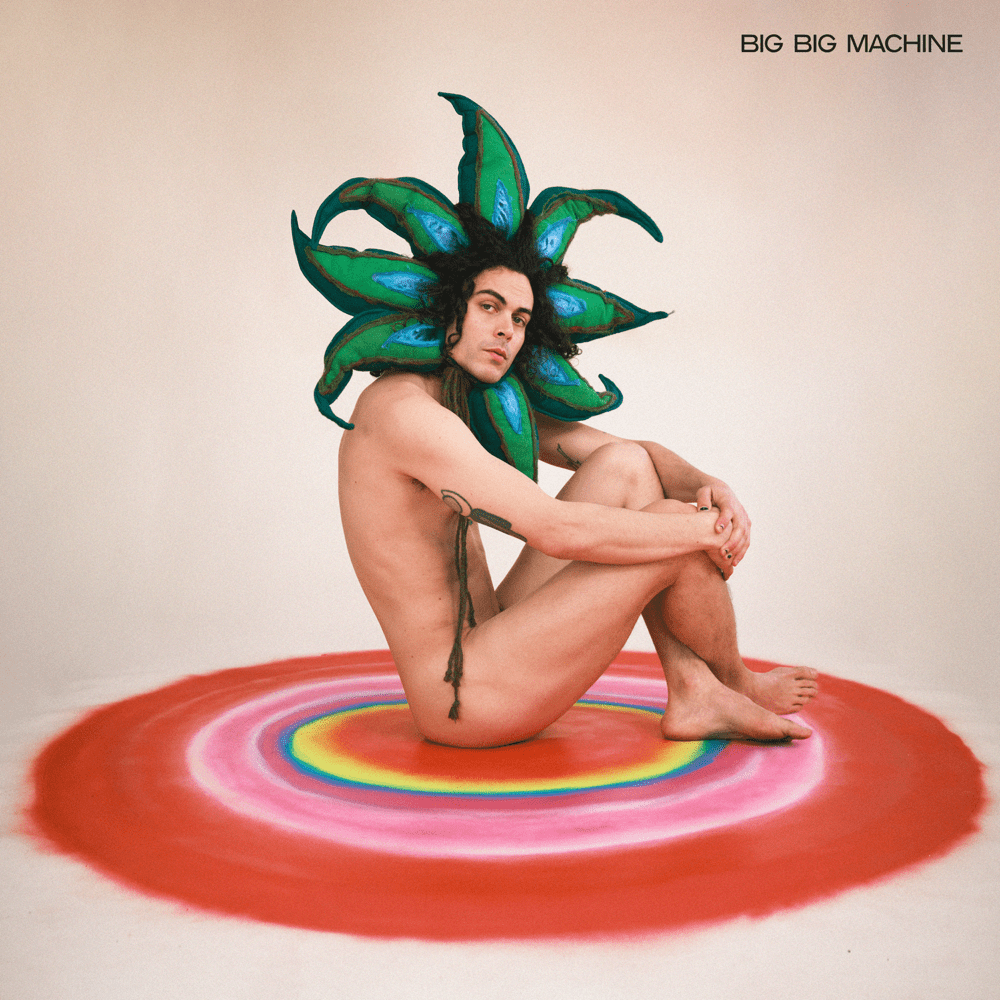
 View Artist