Song Meaning
The lyrics paint a picture of someone struggling to move on after a breakup, despite acknowledging that forgetting should be easy. The opening lines, "¡Ay!, hay que ver que pronto se puede olvidar" and "-hay que ser un tonto para recordar-", set up a contrast between societal expectation or perceived wisdom (that one *should* forget quickly) and the narrator's personal reality. This immediately establishes a core tension: the internal battle against an external or logical imperative to let go.
The central conflict is the narrator's inability to stop thinking about a past love, directly stated in the repeated refrain, "Pero yo, yo no puedo evitar pensar en ti." This isn't a passive longing; it's an active, almost involuntary state. The lyrics suggest this fixation is happening even in familiar places, like "el mismo lugar donde te conocí," where the narrator questions their own presence, admitting "-no sé qué hago aquí-" but sensing "Algo debe de recordarme a ti." This highlights the persistent, almost haunting nature of the memories.
A key craft element is the juxtaposition of common platitudes about love and loss with the narrator's specific, stubborn emotional state. Phrases like "Un amor que pasa, -otro llegará-" are presented as conventional wisdom, but the narrator's persistent thoughts about *this* particular person undermine that generality. The lyrics also play with the idea of perceived foolishness: the initial lines imply forgetting is wise and remembering is foolish, yet the narrator's inability to forget feels like a deeply personal, perhaps even self-aware, struggle rather than simple idiocy.
What makes these lyrics resonate is their honest portrayal of emotional inertia. The narrator isn't necessarily romanticizing the past or wallowing in misery; they are simply stuck. The repeated, almost resigned "Pero yo, yo no puedo evitar pensar en ti" captures the frustration of knowing you *should* be over something, but finding yourself incapable of doing so. It’s this grounded, internal struggle against the expected narrative of moving on that gives the song its poignant, relatable core.
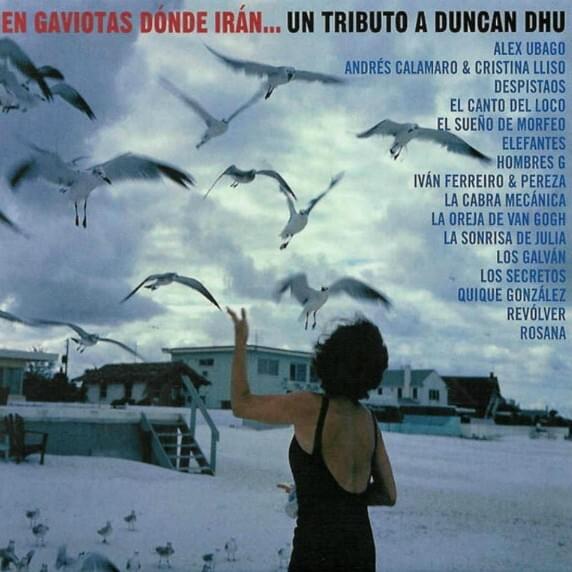
 View Artist