Song Meaning
The lyrics paint a stark picture of someone utterly consumed by the memory of a lost love. The central idea is a desperate, almost physical inability to forget, hammered home by the insistent repetition of "Siempre en mi mente" (Always in my mind). The narrator is caught in a loop, unable to find a solution or even a path toward forgetting, highlighting a profound emotional paralysis. This isn't just missing someone; it's a state of being haunted.
The core tension lies in the narrator's active desire to forget clashing with their complete failure to do so. They explicitly state "Y yo quiero olvidarte" (And I want to forget you), yet immediately follow with "Pero no se como te olvido" (But I don't know how to forget you). This internal conflict creates a sense of helplessness, as the will to move on is rendered powerless against the overwhelming presence of the past.
The most striking aspect of the writing is its directness and lack of metaphor. The narrator isn't comparing their feelings to anything; they are simply stating the raw, unadorned reality of their mental state. The repeated question, "Como quieres tu que te olvide?" (How do you want me to forget you?), directed perhaps at the absent lover or even themselves, underscores the impossibility of the task. The plea "Ayudame a olvidar en mi mente" (Help me forget in my mind) further emphasizes this feeling of being trapped within their own thoughts.
This lyrical approach is effective because it mirrors the obsessive nature of the narrator's experience. The simple, declarative sentences and the relentless refrain create an almost suffocating atmosphere, drawing the listener into the narrator's inescapable mental landscape. The lack of complex imagery forces the focus entirely onto the emotional weight of the words, making the feeling of being perpetually stuck "siempre en mi mente" palpable and deeply resonant.
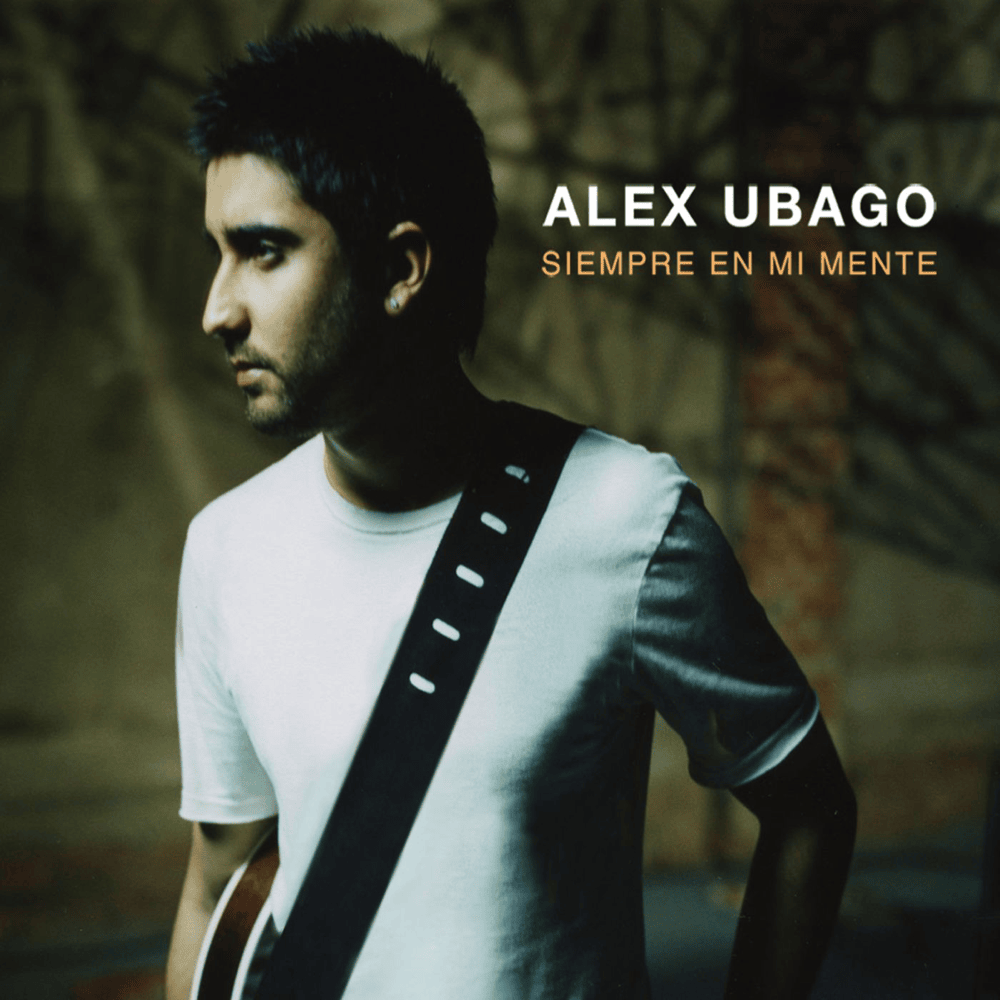
 View Artist