Song Meaning
The lyrics paint a stark picture of emotional stagnation and a desperate yearning for change. The opening lines, "Walking south along my mouth / Through the heart that's hard to start," immediately establish a sense of internal struggle and difficulty in moving forward. There's a palpable sense of resignation, as the narrator acknowledges a departure with "So you're leaving you did not lie," suggesting a painful but accepted reality.
The central tension lies in the repeated, almost incantatory desire for transformation, encapsulated in "It will change / It will change." This refrain is juxtaposed with the bleak imagery of a "broken light bulb that's glowing still" and the aftermath of a "sickness pill," highlighting a persistent, low-level suffering that refuses to fully dissipate. The hope for rain, a classic symbol of cleansing and renewal, underscores this deep-seated wish for external forces to bring about the internal shift that feels impossible to initiate.
The introduction of the "old drunk man who once had plans" serves as a potent, cautionary image of lost potential and isolation. His plight, where "Priests are calling no happy bells," amplifies the pervasive sense of despair, suggesting a spiritual or existential void. This figure seems to embody the ultimate consequence of being "trapped in a desert," a state of barrenness and vulnerability where "no defence" is possible.
Ultimately, the lyrics resonate through their raw depiction of feeling stuck and the fragile hope for salvation. The narrative arc, from personal desolation to the almost miraculous discovery of "some water to carry on," offers a glimmer of resilience. It’s this delicate balance between profound despair and the instinctual drive to survive, even in the most desolate circumstances, that gives the song its enduring power.
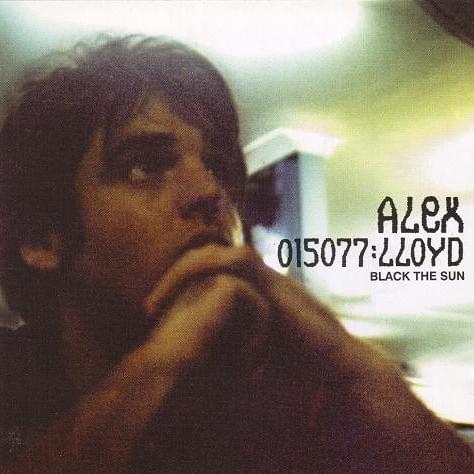
 View Artist