Song Meaning
This track paints a picture of a desperate bargain, a conditional surrender. The narrator offers a piece of themselves – "i'll be yours" – in exchange for safe passage, a return home. This isn't a grand declaration of love, but a transactional plea, underscored by the peculiar "back seat clause." It feels less like romance and more like a survival tactic, a deal struck in the quiet desperation of a final departure.
The central tension seems to be the narrator's evolving relationship with someone who has recently embraced religion. This newfound faith has apparently created distance, as "you never call since you found god." Yet, paradoxically, this distance fuels the narrator's affection: "I love you more cause it's a back seat clause." The lyrics suggest a love that thrives on absence or perhaps a love that is only acknowledged when it's tied to a specific, perhaps illicit, condition.
The phrase "back seat clause" itself is the most intriguing element. It evokes a sense of clandestine arrangements, something hidden or secondary, a deal made away from the main event. This contrasts sharply with the grander pronouncements of finding "the one" or the universal need for connection, "All lonely souls must find a friend." The repetition of "It's all the same" at the end hammers home a feeling of resignation, as if all these complex emotions and arrangements ultimately lead back to a familiar, perhaps unsatisfying, equilibrium.
What makes these lyrics resonate is their raw, unvarnished portrayal of conditional affection and the strange logic of desire. The narrator isn't presenting a perfect love story; they're revealing the messy, often transactional nature of human connection when faced with loneliness and the fear of being left behind. The specific, almost coded language of the "back seat clause" makes the emotional stakes feel intensely personal and surprisingly intimate.
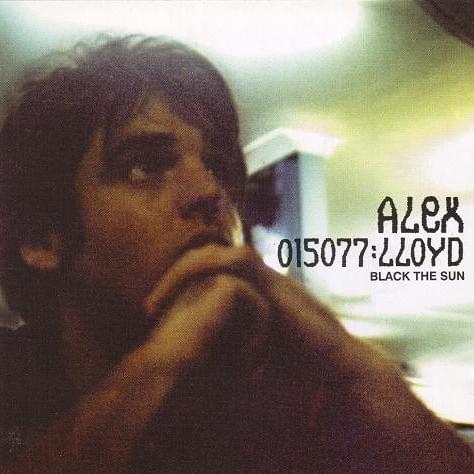
 View Artist