Song Meaning
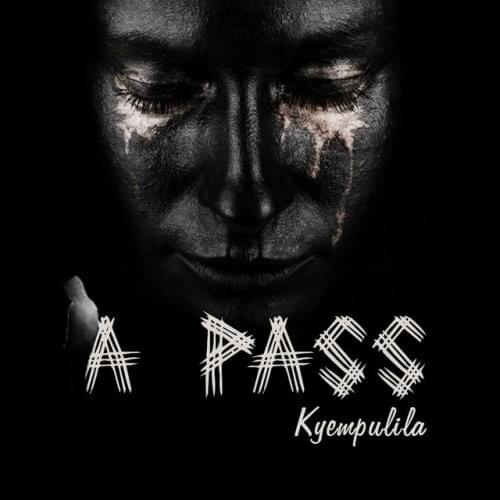
The lyrics paint a stark picture of internal suffering, a pain so deep it feels like a physical ailment. The repeated phrase "Kino kyempulila" translates to "This is what I feel," immediately establishing a sense of overwhelming, inescapable emotion. This feeling is described as "kilumya munda" (hurts inside) and "sikuba nga nfa" (not like I'm dying), suggesting a chronic, agonizing ache rather than a sudden, fatal blow. The narrator is trapped with this sensation, feeling it intensely "wano" (here) and "muno" (within).
Despite the intensity of this internal struggle, the narrator expresses a profound sense of isolation. They state, "Mbonabonye but can't tell nobody don't wana know," highlighting a painful paradox: they are suffering immensely, yet feel unable to share their burden because others are unwilling to listen or understand. This inability to communicate their pain adds another layer to their distress, making the situation feel even more hopeless. The line "Ensi nenyiga n'ekuba nga tondaba, nti enzita" (The world mourns and beats me as if I'm dying) further emphasizes this feeling of being misunderstood and attacked by their surroundings.
The true weight of the lyrics lies in this persistent, internal affliction that the narrator endures alone. The repetition of "Kino kyempulila" acts like a mantra of despair, reinforcing the inescapable nature of their emotional state. The contrast between the internal agony and the external world's apparent indifference or even hostility creates a powerful sense of alienation. The narrator is left to grapple with a pain that "hurts inside" and feels like a constant, agonizing presence, with no apparent relief or outlet.
 View Artist