Song Meaning
The narrator is grappling with a profound sense of distance from someone they once knew intimately. The opening questions, "Is it still you in there?" and "Has your wish come true?" immediately establish a tone of anxious uncertainty. It suggests a significant change has occurred, leaving the narrator questioning the very identity of the person they're addressing and whether some desired transformation has alienated them.
The central tension lies in the narrator's desperate plea for connection amidst this perceived estrangement. They ask, "Could you love me anyway?" and "Won't you let the roses bloom for me today?" These lines reveal a deep vulnerability and a longing for the past, for a time when love and affection were readily available. The imagery of blooming roses, often associated with love and beauty, becomes a poignant request for a sign of life and affection from the other person.
The lyrics employ a simple, almost childlike directness that amplifies the emotional weight. The repetition of "Is it still you in there?" acts as a mantra of doubt, a desperate attempt to find a familiar anchor in someone who seems to have drifted away. The phrase "nothing left, between the world and you" is particularly striking, suggesting a complete isolation or a shield that has formed, cutting off external influence and, crucially, the narrator.
This lyrical construction is effective because it taps into a universal fear of losing someone to an unseen transformation. The unanswered questions and the gentle, almost pleading tone create a palpable sense of yearning and helplessness. The narrator isn't angry; they're simply lost, searching for a recognizable soul within a changed exterior, making the plea for love feel both deeply personal and universally resonant.
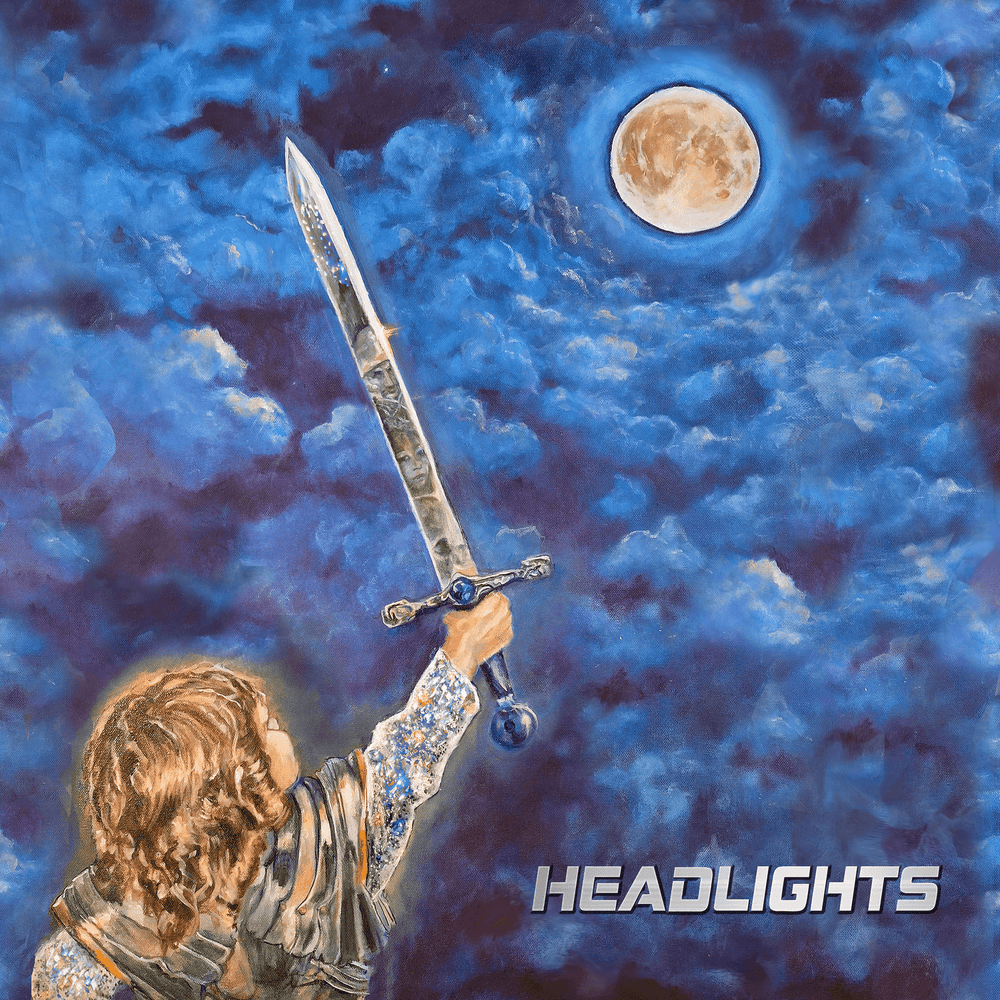
 View Artist