Song Meaning
The lyrics paint a picture of a fractured, perhaps toxic, relationship where intimacy is jarring and unsettling. The opening lines, "Bouncing on the bed, you choked / Something else you said, it woke / Me up," immediately establish a sense of unease. This isn't a gentle awakening; it's a sudden, almost violent jolt, suggesting that even moments of closeness are fraught with discomfort or a disturbing revelation. The narrator seems perpetually on edge, jolted from sleep by an interaction that's anything but peaceful.
The central tension lies in the narrator's observation of another person and their own internal state. While the narrator is looking for someone, "She stopped / To talk / I looked / For you," they notice a detail on someone else: "Purple on your arm looks good." This juxtaposition implies a detachment or a warped focus, where the narrator is drawn to superficial details or perhaps a different person entirely, even while ostensibly engaged with the subject of their affection. The phrase "I think / Of you" follows this observation, creating a disorienting link between the external detail and the internal thought, blurring the lines of who or what is truly being considered.
The repeated, almost mantra-like refrain, "It takes a plan from hell to do this well," is the most striking element. It suggests that maintaining this relationship, or perhaps the facade of it, requires immense, almost diabolical effort. This isn't natural or easy; it's a deliberate, arduous undertaking, implying a deep-seated dysfunction. The subsequent plea, "Stay here with me / It's what you need / To be," delivered over this dark refrain, feels less like a genuine request for connection and more like a desperate, perhaps manipulative, attempt to hold onto something that is fundamentally broken. The repetition of "To be" at the end further emphasizes this sense of unresolved existence or a state of being that is perpetually defined by this difficult situation.
Ultimately, these lyrics resonate because of their raw, unvarnished portrayal of a relationship that is more struggle than solace. The craft lies in the fragmented imagery and the stark, unsettling contrasts. The jarring shifts from physical intimacy to verbal shock, from external observation to internal thought, and the ominous refrain all contribute to a feeling of profound unease. The narrator's apparent inability to find genuine peace or connection, despite the desire for someone to "Stay here with me," makes the situation feel both specific and deeply, uncomfortably real.
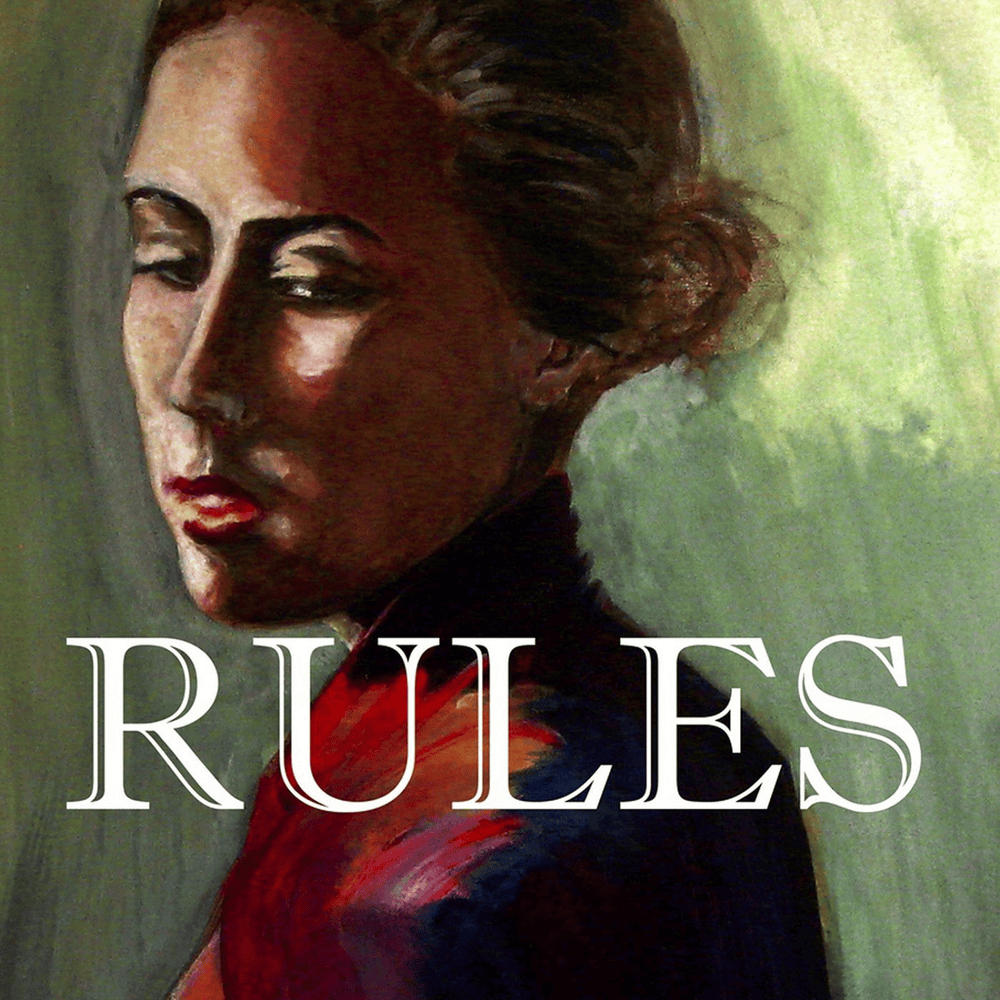
 View Artist