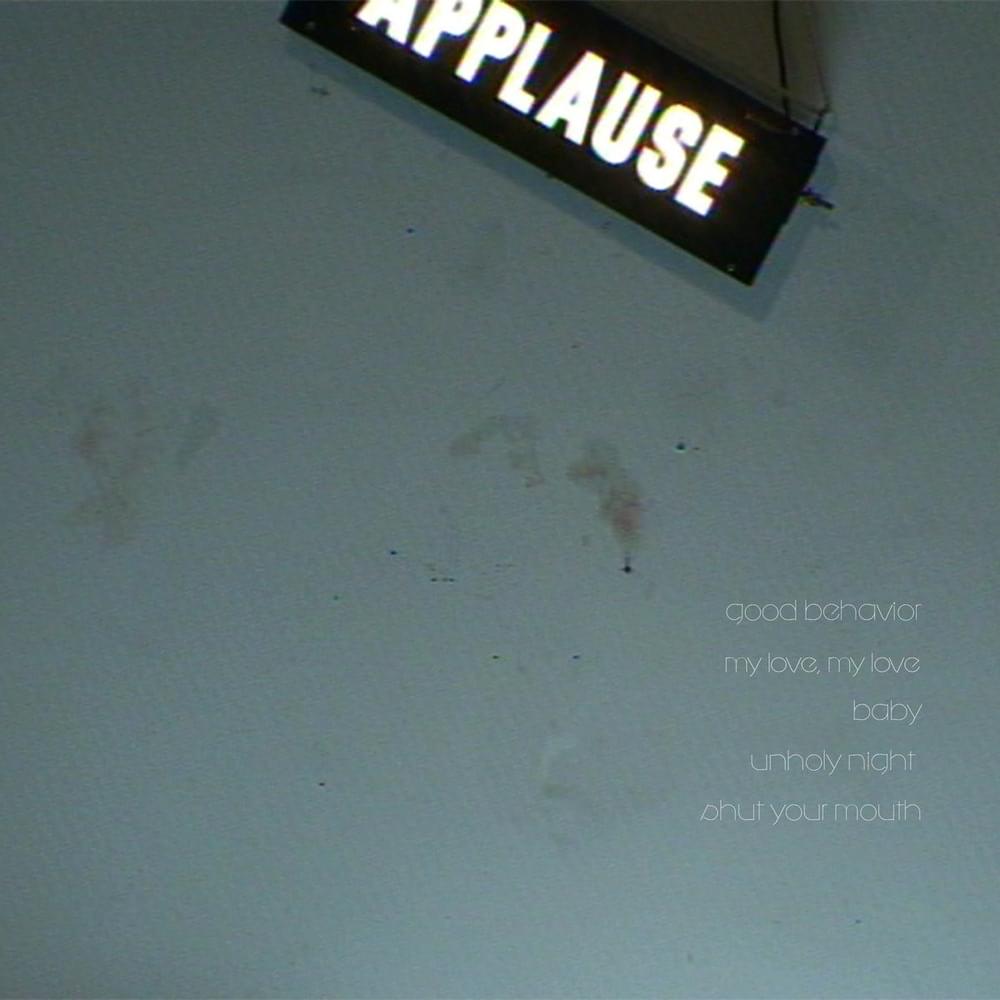
Unholy Night
Song Meaning
Alex Ebert's "Unholy Night" functions as a brief, evocative meditation on mortality and the lingering haze of experience. The lyrics, sparse as they are, paint a picture of exhaustion nearing its end. The opening line, "Until I die by the twilight," immediately sets a tone of acceptance, even anticipation, of death. It's not a fearful plea, but a statement of inevitability, tinged with a certain romanticism. Twilight, that liminal space between day and night, becomes a metaphor for the transition between life and death, a gentle fading rather than an abrupt end. The subsequent line, "So weary we're like high on a Sunday night," deepens the sense of world-weariness. The comparison to being "high on a Sunday night" is particularly telling. It suggests a state of depleted euphoria, a lingering buzz after the peak has passed. The "we" implies a shared experience, a collective exhaustion. It's the feeling of coming down after a long journey, the body and mind weary but content. The "Sunday night" adds another layer of meaning, evoking the quiet melancholy that often accompanies the end of the weekend, a sense of something ending and the start of something new. Ultimately, the repetition of "Unholy night" in the outro acts as both a summation and an invitation. "Unholy" suggests something outside the realm of conventional morality or religious comfort, while "night" reinforces the themes of darkness, death, and the unknown. The phrase could be interpreted as a surrender to the inevitability of death, a celebration of the unconventional path, or simply a recognition of the inherent strangeness of existence. Ebert doesn't offer easy answers; instead, "Unholy Night" provides a space for contemplation on the transient nature of life and the acceptance of what lies beyond.
 View Artist
Lyrics
[Verse] Until I die by the twilight So weary we're like high on a Sunday night [Outro] Unholy night
Rate this song
0/5.0 - 0 Ratings
Loading comments...
Credits
- Writers
- Alex Ebert