Song Meaning
Alex Chilton's "Junkyard" isn't just a song; it's an existential tableau vivant set in a scrap heap. The lyrics paint a stark picture: a descent into a literal junkyard becomes a metaphorical exploration of discarded dreams and the ghosts of past ambitions. Chilton, known for his raw and emotionally direct style, uses the junkyard as a landscape of the mind, where 'twisted metal' mirrors the contorted memories and regrets that haunt us. The 'ruins of former glories' aren't just rusting car parts; they're stand-ins for unrealized potential and the inevitable decay of even the brightest aspirations. The absence of 'survivors' hints at a profound sense of loss and the obliterating power of time.
The repetition of "Junkyard" in the chorus acts as a hypnotic mantra, drawing the listener deeper into this bleak, introspective space. It's a place where 'dreams of littering forever' intertwine with the harsh reality of 'smoke, pills, alcohol and steel' – a potent cocktail of self-destruction and fleeting escape. The imagery is powerful: an 'empire in crude mechanical wrecks,' suggesting that even in the most broken and discarded elements of life, there's a perverse kind of dominion. The song's meaning is not about literal refuse, but about psychological wreckage. It's a brutal confrontation with the transient nature of success and the lingering presence of failure.
Ultimately, "Junkyard," with its repetitive structure and raw, almost primal vocal delivery, functions as a kind of therapy. By confronting the 'bent and twisted, broken, gutted' aspects of the junkyard environment, Chilton forces a reckoning with the equivalent states within the human psyche. It's an unflinching look at the parts of ourselves we'd rather ignore, the remnants of who we were, and the stark materials from which we might, possibly, rebuild.
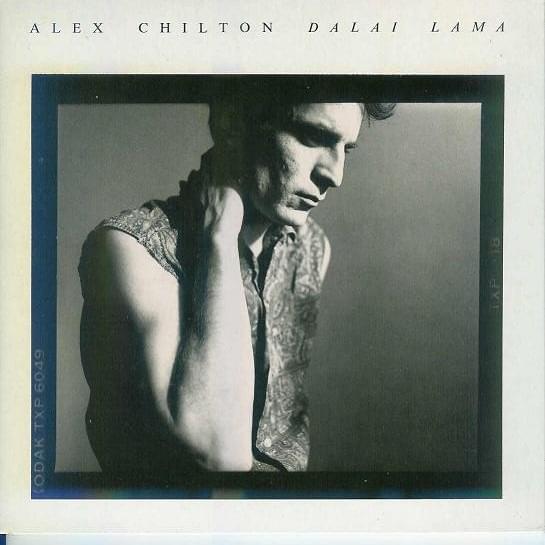
 View Artist