Song Meaning
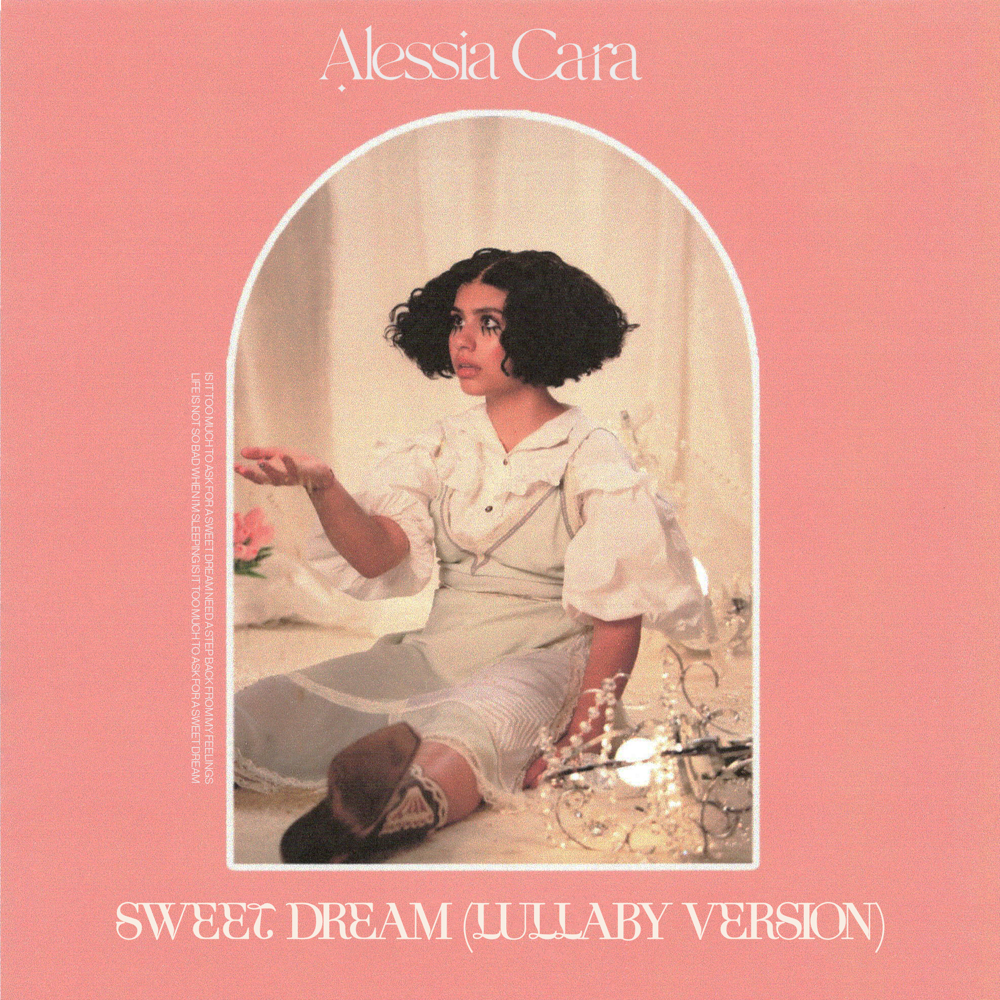
“Sweet Dream (Instrumental Lullaby Version)” by Alessia Cara immediately signals its unique approach. The provided text, a stark “[Instrumental]” note, sets a distinct expectation. This isn't a track for deciphering hidden meanings in verse. Instead, it invites a different kind of focus.
The central tension here isn't found in a narrative arc or character development, but in the deliberate *absence* of such elements. By explicitly labeling itself as instrumental, the lyrics — or lack thereof — create a space. This choice shifts the listener's attention entirely. It suggests a profound trust in the non-verbal.
The most striking craft element is the singular, almost clinical declaration: “[Instrumental]”. This isn't just a description; it functions as the entire lyrical statement. It's a meta-lyric, a direct instruction embedded within the text itself. This choice foregrounds the sonic experience, pushing words to the periphery.
What makes these “lyrics” effective is precisely their self-referential nature. The explicit statement “[Instrumental]” acts as a frame, guiding the listener’s engagement. It subtly challenges the conventional role of words in a lullaby, suggesting that comfort and “sweet dreams” can be conveyed without a single sung syllable. This bold textual choice redefines what “lyrics” can be.
 View Artist