Song Meaning
The narrator is on the precipice of a profound personal transformation, signaled by the repeated, almost mantra-like declaration, "I'm gonna walk across the water." This isn't just about overcoming obstacles; it's about defying natural limitations, a bold assertion of will against the impossible. The imagery suggests a move from a place of stagnation or burden towards a new, perhaps spiritual, state of being. It's a declaration of intent to transcend.
The core tension lies in confronting buried secrets and past traumas. The phrase "Unlock the skeletons in my chest" is a visceral image of confronting deeply hidden, perhaps shameful, aspects of oneself. This internal reckoning is directly linked to the insistent, almost desperate repetition of "Stop beating that horse," which implies a futile, ongoing struggle with something that cannot be changed or won. The narrator is recognizing the exhaustion of this unproductive fight.
The most striking craft element is the juxtaposition of destructive and cathartic actions. After the repeated calls to cease the "beating that horse," the lyrics shift to "Scatter all those ashes." This act signifies the dispersal of remnants, the finality of letting go of what was burned or destroyed. It's a powerful visual of releasing the past, making space for what comes next. The final image, "Throw the pink roses," introduces a touch of unexpected tenderness and beauty into this process of release, suggesting a hopeful or even celebratory farewell.
This lyrical arc is effective because it moves from a place of internal struggle and futility to a decisive act of release and symbolic renewal. The repetition builds intensity, mirroring the internal pressure, while the shift to scattering ashes and throwing roses offers a tangible, emotionally resonant resolution. The "pink roses" specifically add a layer of delicate beauty, implying that even in letting go of pain, there is something beautiful and new to be offered or embraced.
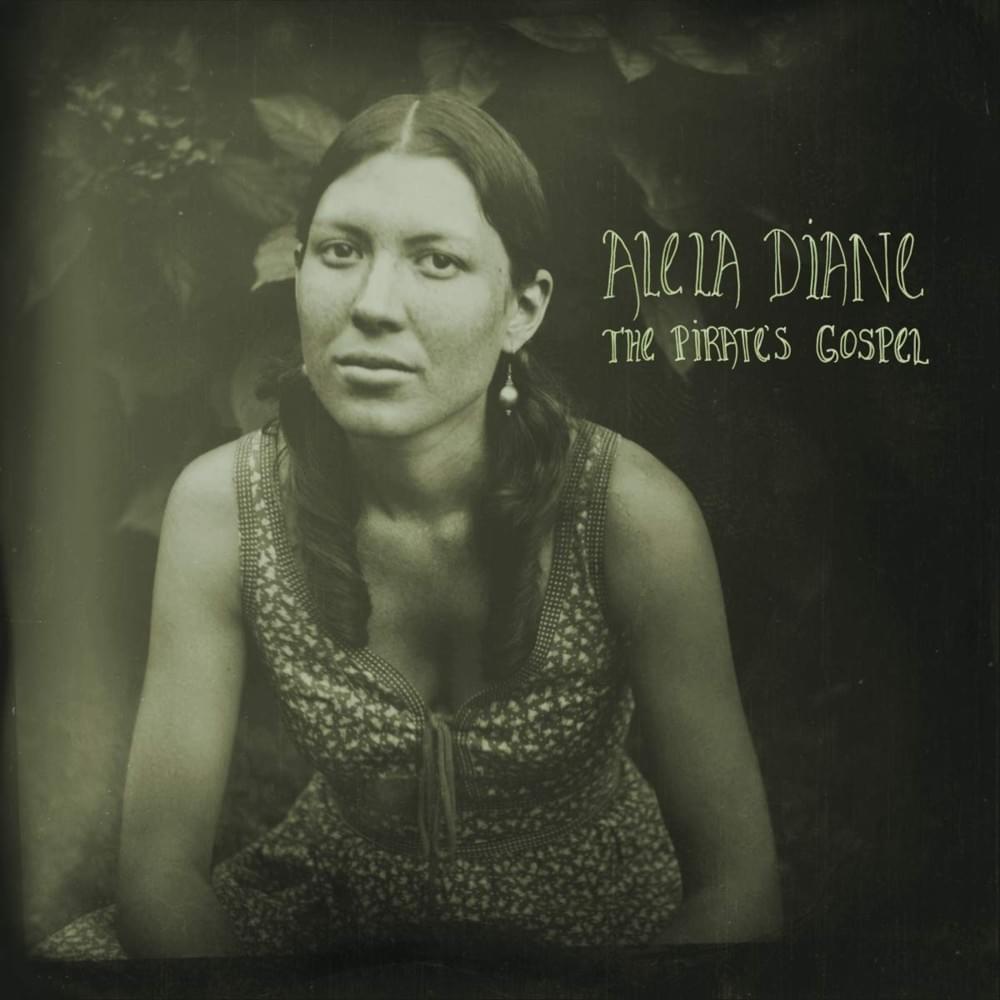
 View Artist