Song Meaning
The lyrics paint a stark picture of a weary individual, likely a performer, collapsing into bed after a long night. The opening lines, "Mañanas empezadas / Noches sin terminar," immediately establish a sense of perpetual exhaustion and an inability to find rest. The bed itself becomes a vast, almost overwhelming presence, "Qué grande es la cama / Que me ve llegar," a silent witness to this cycle of depletion, further emphasized by the narrator's state of being "Borracho de sueño / Dormido de alcohol."
The core tension emerges as the narrator retreats into their room, a space that becomes a battleground. The closed door isolates them, creating a stark dichotomy: "De un lado el infierno / Del otro estoy yo." Caught precariously between these extremes is "El diario de hoy," a symbol of the present reality, the immediate consequences or the mundane tasks that must be faced, suspended in the middle of this internal conflict.
The chorus introduces a profound existential question, personifying the struggle for control: "Quién maneja la balanza del bien y del mal?" This isn't just about morality, but about agency over one's own life and fate, questioning who dictates whether they find solace or succumb to despair, "Quién permite que me duerma o que muera quizás?" The repetition of "Quién se quita, quién me da... / Quién se queda, quién se va?" amplifies this sense of powerlessness, as if external forces are constantly shifting, taking away or bestowing fleeting moments of peace or oblivion.
This raw portrayal of exhaustion and the search for escape, juxtaposed with the looming weight of reality and the unanswered questions of control, creates a powerful emotional resonance. The narrator's surrender to the mattress, described as a "saco arrugado," and the emptiness of both their mind and the room, highlight a profound weariness. The fleeting thought of "la fantasía / Con alguna mujer" offers a momentary, perhaps hollow, distraction before the cycle of questioning and exhaustion inevitably returns.
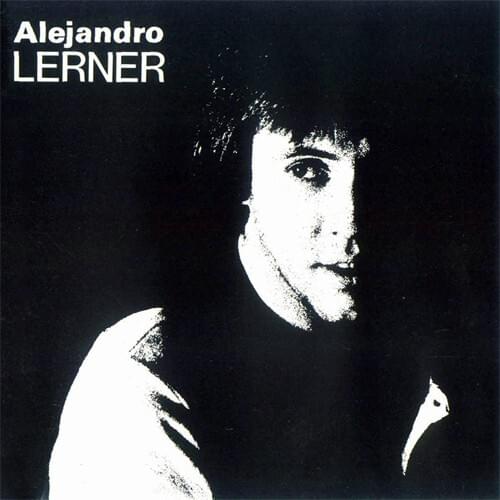
 View Artist