Song Meaning
The lyrics paint a picture of a relationship where one person's gaze offers a serene, almost passive reflection, like a calm lake. This steady, unreadable presence is both appreciated for its tranquility and frustrating for its lack of expressed desire or passion. The narrator finds peace in this stillness but yearns for something more intense, a stark contrast to the quietude offered.
The central tension lies in the narrator's desire for a "tempestad" – a storm – in their partner's eyes, rather than the "lago en calma" (calm lake) they currently see. While the partner's gaze returns "pura realidad" and "tranquilidad," it never reveals what the narrator longs to hear or feel. This creates a poignant conflict between the comfort of peace and the craving for passionate, perhaps even tumultuous, emotional expression.
A striking metaphor emerges in the choice between the partner's reflective gaze and the blinding intensity of staring at the sun. The narrator declares, "Más que un lago yo prefiero / Quedar ciego por mirar el sol" (More than a lake I prefer / To go blind from looking at the sun). This powerful image suggests a willingness to embrace overwhelming, potentially destructive passion over a safe, predictable calm, highlighting the depth of their yearning for emotional fire.
This lyrical construction is effective because it grounds abstract emotional needs in vivid, contrasting imagery. The "ojos de espejo" (mirror eyes) offer a safe but ultimately unfulfilling reflection, while the "sol" represents a desired, albeit risky, intensity. The narrator's ultimate preference for the sun's blinding light over the lake's placid surface articulates a profound human desire for passionate engagement, even at the cost of comfort.
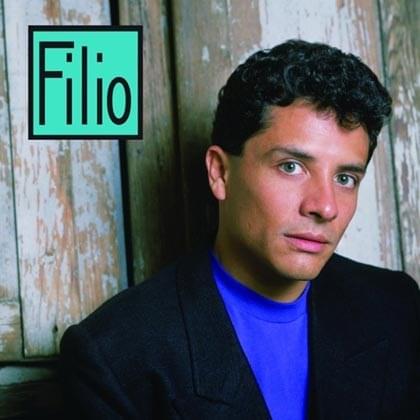
 View Artist