Song Meaning
The lyrics open on a scene of profound stillness and absence. "Durmió la tarde desnuda sobre la ventana," setting a vulnerable, quiet stage. The world outside is empty: no lights, no doves, no playful wind. This pervasive silence, the narrator reveals, is directly tied to a missing presence: "Todo silencio si tú me faltas."
This deep sense of personal void extends beyond the immediate scene, touching on a universal human experience. The rain, it seems, will "llorará conmigo," echoing the speaker's sorrow. "Sueños descalzos por el camino" suggests vulnerable, perhaps unfulfilled desires navigating a challenging world, where even "portales enemigos" stand in the way. The lyrics then broaden, reflecting that "Todos tenemos un amor," but also that "Estamos solos otra vez / O siempre como en el principio," hinting at a cyclical, existential loneliness.
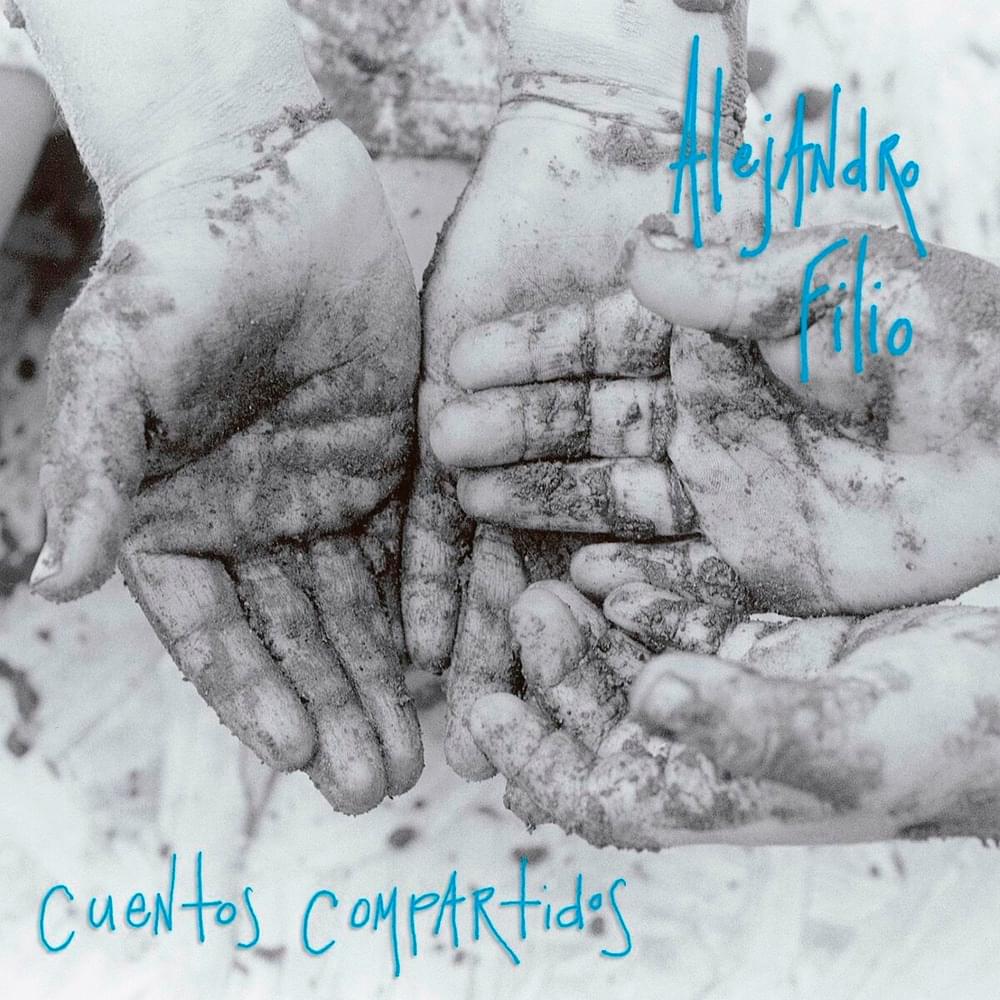
Yet, a powerful shift occurs, moving from desolation to a plea for connection. The narrator asks, "Dame tu mano, vuela conmigo," envisioning a future where "Seremos soledades y cuentos compartidos." This paradoxical phrase suggests a unique intimacy: two distinct individuals, each with their own solitude, choosing to weave their stories together. The arrival of the beloved is transformative; when they came, "la luna tuvo algún sentido," imbuing the previously empty world with meaning.
The emotional core culminates in a declaration of profound devotion. The beloved's promise, "No soy de nadie, dijiste para estar conmigo," signifies a commitment that reorients the narrator's entire world. For this love, the past, the loneliness, the silence—all of it can be shed: "Si es por amarte todo lo olvido." The lyrics masterfully trace a journey from stark absence to a redemptive, all-consuming connection.
 View Artist