Song Meaning
The lyrics paint a grim, cyclical picture of conflict and suffering, where the land itself seems to bear witness to repeated tragedies. A powerful image of the jungle burning and returning, alongside the recurring motif of solitude, immediately sets a tone of inevitable destruction and isolation. The earth will be soaked with the blood of children, a stark and brutal vision that underscores the senselessness of the violence. This isn't a singular event; the repetition of "otra vez" (again) and "una vez más" (once more) emphasizes a history that refuses to change, a cycle of pain that continues unabated.
The central tension lies in the stark contrast between the powerful forces causing this destruction and the vulnerability of ordinary people. The lyrics suggest that rules are broken, and homes become corrupted, all while an "innocent culprit" is manufactured to maintain a fragile peace. This creates a profound sense of injustice, where love itself is forced to sleep, waiting an eternity for truth to emerge. The recurring phrase "su verdad" (their truth) hints at a narrative imposed by those in power, distinct from the lived reality of the suffering.
The most striking element is the repeated declaration: "Que sólo somos carne de cañón" (That we are only cannon fodder). This powerful metaphor strips away any pretense of glory or noble cause, reducing individuals to expendable resources for the benefit of others. The phrase "Para salvaguardar su condición" (To safeguard their condition) explicitly states the purpose of this sacrifice – to maintain the status quo and privilege of an unnamed "they." The inclusion of "o tú o yo" (either you or I) makes this a direct, personal threat, leaving no room for detachment.
This lyrical construction is effective because it confronts the listener with a raw, unflinching portrayal of powerlessness and exploitation. The cyclical nature of the violence, combined with the dehumanizing label of "carne de cañón," creates a deep sense of despair and anger. The lyrics don't offer easy answers or hope for immediate change; instead, they force a recognition of a systemic issue where individuals are sacrificed for the preservation of others' power, leaving a lingering, uncomfortable truth about the cost of conflict.
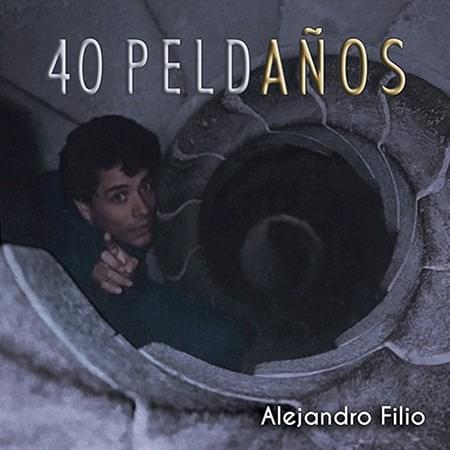
 View Artist