Song Meaning
Alejandro Fernández's "Me Llevarás En Ti" isn't just a song; it's a masterclass in the bittersweet art of lingering. The track, steeped in the grand tradition of Mexican romanticism, explores the stubborn persistence of memory and the indelible mark one lover leaves on another. It’s a sonic portrait of a relationship's aftermath, where even in separation, the singer asserts an almost haunting presence in the other person's life. The lyrics paint a vivid picture, comparing this enduring presence to shadows at sunset, a rose's thorns, and the tears born of suffering. These aren't fleeting images; they're fundamental, unavoidable aspects of existence, suggesting the relationship, however painful, was equally foundational.
Fernández doesn't plead or beg. Instead, there's a quiet confidence, a certainty that transcends mere ego. He acknowledges the possibility of resentment, even cursing, as a means of trying to forget. Yet, this very act of trying to erase him becomes further evidence of his lingering effect. It's a clever twist, highlighting the futility of denial. The repeated assertion, "Nunca podrás negar que me has querido" (You can never deny that you loved me), underscores this point: emotions, once deeply felt, cannot be simply switched off. They become part of the internal landscape, shaping future experiences and relationships.
The song's power lies in its universality. Anyone who has experienced a significant relationship—one that fundamentally altered their perspective—can relate to the sentiment. It's about the echoes that remain, the subtle ways in which a past love continues to resonate in the present. The closing lines, likening this presence to sunlight, water, and wind, elevate the theme to something almost elemental. It's no longer just about romantic love; it's about the enduring nature of connection, the way we carry fragments of our past within us, shaping who we are and who we will become. "Me Llevarás En Ti" is a reminder that even in absence, love leaves an undeniable, permanent trace.
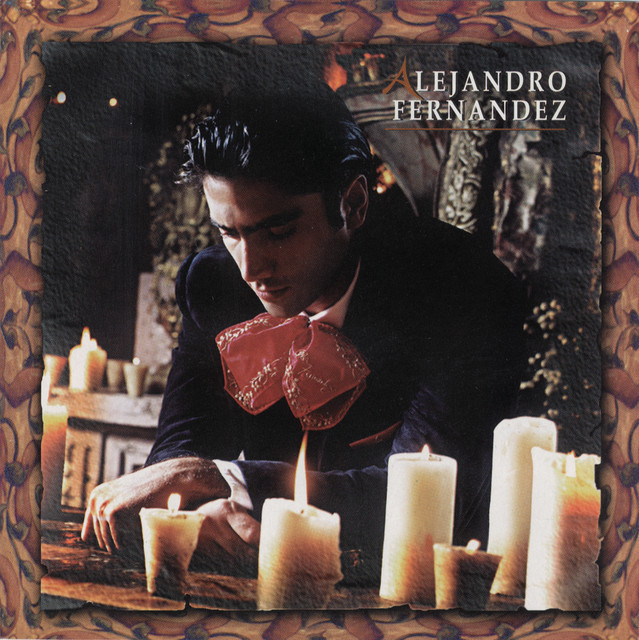
 View Artist