Song Meaning
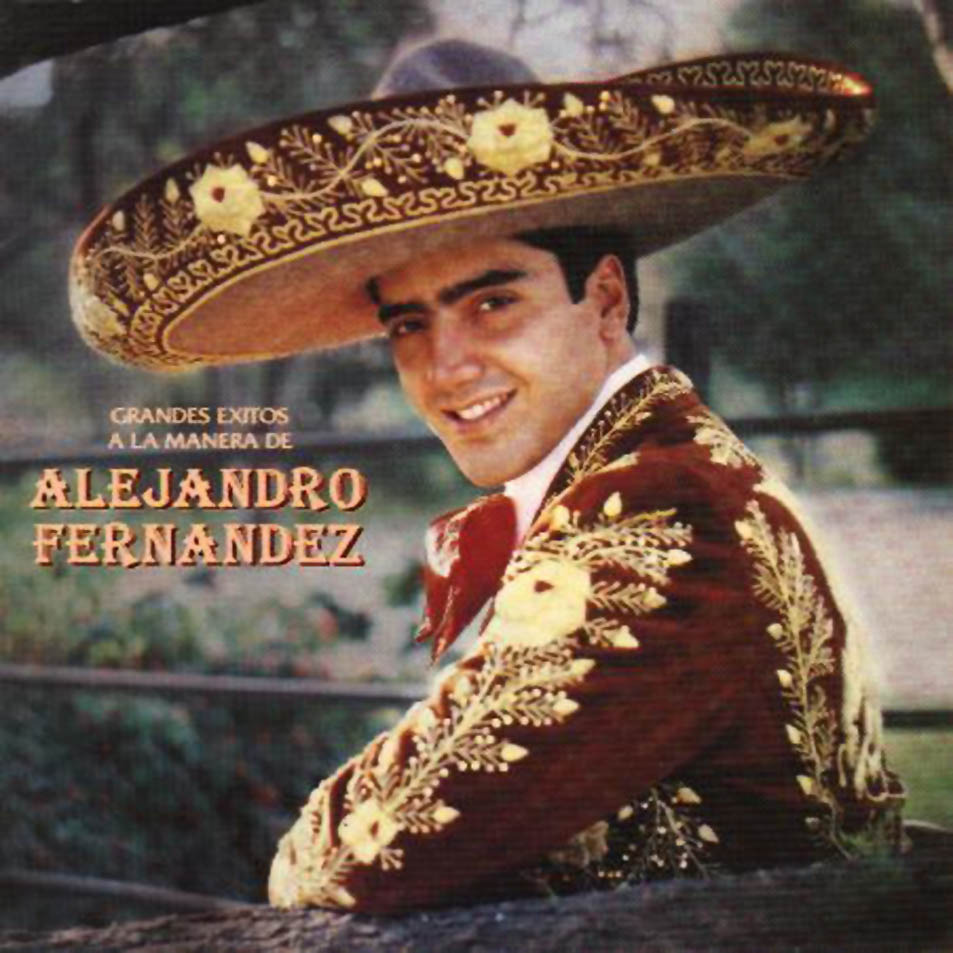
Alejandro Fernández's "La Enramada" isn't just a song; it's a stark, melancholic portrait of heartbreak rendered in the vibrant hues of Mexican folk tradition. The opening lines, saturated with images of rain and flowers, immediately establish a landscape of poignant beauty, a bittersweet backdrop for the singer's profound sense of loss. These elements aren't merely decorative; they're active participants in the emotional narrative, mirroring and amplifying his feelings of nostalgia and sadness. The distance, both physical and emotional, becomes a consuming force, threatening to reduce his life to embers. This is not a gentle lament; it's a raw, visceral expression of despair.
The central metaphor of "La Enramada" – the dried-up arbor – is devastatingly effective. The image of the arbor, deprived of water and life by a withholding sky, directly parallels the singer's own experience of unrequited love. Just as the arbor withers without nourishment, the singer's spirit is crushed by the cold indifference of the beloved. The lyrics underscore this connection, stating directly that the beloved's "altivo corazón" (proud heart) refused to listen, mirroring the sky's denial of water to the arbor. The symbolism is clear: a proud, unyielding heart is as destructive as a drought.
The singer resigns himself to a fate of wandering and oblivion, likening himself to a lost bird, forever searching for solace from his pain. The repetition of the "enramada" metaphor reinforces the permanence of this heartbreak. He's not just sad; he's facing a life sentence of longing. The final declaration, "Yo morir" (I will die), isn't necessarily a literal threat, but rather a poetic expression of the death of the spirit, a surrender to the all-consuming power of unfulfilled love. "La Enramada," through its vivid imagery and emotional rawness, becomes a powerful meditation on the devastating consequences of a love left unreturned.
 View Artist