Song Meaning
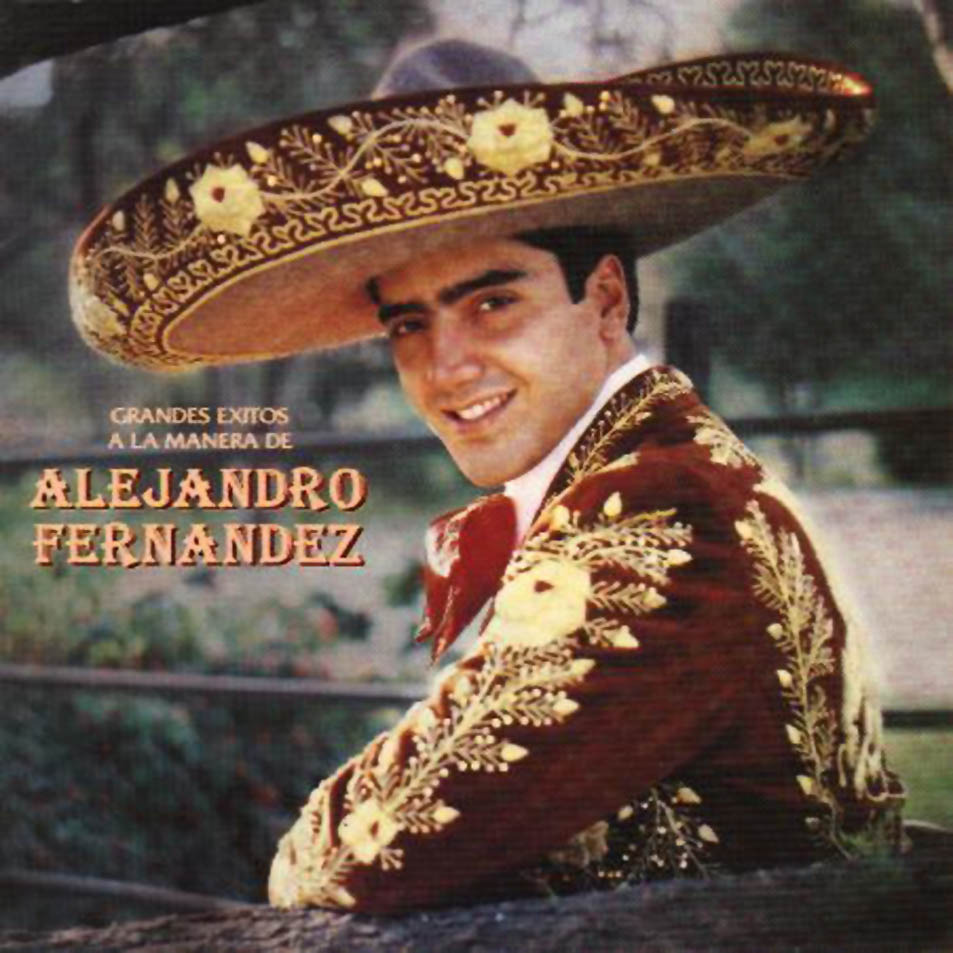
Alejandro Fernández's "Encadenados" isn't a simple ballad of lost love; it's a stark portrayal of a relationship defined by mutual torment and inescapable codependency. The song meaning hinges on the paradox of wanting to escape a destructive bond while simultaneously recognizing the impossibility of doing so. Fernández's delivery, imbued with both longing and resignation, amplifies the lyrical themes of pain and addiction. The opening verses immediately set the tone, suggesting that perhaps it would be 'better' if they never returned, if they were simply forgotten. Yet, this initial desire for separation quickly crumbles under the weight of their shared history of torment and the recognition that returning is just the beginning of a painful cycle. The core of "Encadenados" lies in the acknowledgment of mutual harm: 'Nos hemos hecho tanto, tanto daño.' The love they share has devolved into a form of 'martirio,' a martyrdom of the heart. The lyrics reject easy solutions like 'desengaño' (disillusionment) or 'olvido' (forgetting), suggesting a deeply ingrained pattern of behavior that resists simple fixes. The chorus introduces the central metaphor of the song: their love is a 'castigo' (punishment), carried in the soul until death. This isn't romanticized suffering; it's a blunt admission of the corrosive nature of their connection. The admission that 'Mi suerte necesita de tu suerte / Y tu me necesitas mucho mas' reveals the raw nerve of codependency. The final verses offer no resolution, no hope for healing. Instead, they cement the idea of perpetual entanglement. There will be no final goodbye ('despedida'), no consoling peace. They are doomed to meet 'de rodillas en la vida / Frente a frente y nada mas' – on their knees in life, forever facing each other, trapped in their shared pain. The song becomes a haunting exploration of the darker side of love, where dependence overshadows affection, and suffering becomes the defining characteristic of the relationship.
 View Artist