Song Meaning
Alejandro Fernández's "Como Yo Te Amé" isn't just a love song; it's a study in the psychology of devotion, bordering on obsession. The very repetition of "Cómo yo te amé" ("How I loved you") becomes a mantra, a desperate attempt to quantify an emotion that by its very nature resists measurement. He's not simply stating his love, he's constructing a monument to it, daring the listener (and, more importantly, the absent object of his affection) to grasp its immensity. It's a challenge, a lament, and a boast, all rolled into one elegantly phrased declaration. The lyrics portray a love that consumes the speaker's entire being. Phrases like "todo el tiempo te pertenecí" ("I belonged to you all the time") and "a tu sombra seguir" ("follow your shadow") paint a picture of complete self-abnegation. This isn't a healthy partnership; it's a surrender. The "song meaning" hinges on this imbalance: the singer's profound, almost unsettling investment versus the apparent indifference of the beloved. This hints at a potential unrequited love or a past relationship where the power dynamic was severely skewed.
Fernández taps into a universal fear: that our deepest emotions will never be truly understood or reciprocated. The lines "No creo que algún día / Me lo quieras entender" ("I don't think that one day / You will want to understand it") expose a raw vulnerability. It's a plea for validation, a desire for the other person to acknowledge the depth of his feelings, even if they cannot return them. The repeated assertion that she would have to fall in love as he did to understand the full extent of his love suggests a belief that his capacity for feeling is somehow unique or superior. This could be interpreted as arrogance, but within the context of the song, it reads more as a defense mechanism, a way to cope with the pain of unrequited love. The lyrics analysis reveals a portrait of a man grappling with the aftermath of a love that has reshaped his sense of self.
Ultimately, "Como Yo Te Amé" explores the complex interplay between love, ego, and the desperate need for recognition. It's a reminder that love, in its most extreme forms, can be both beautiful and destructive, a force that elevates us while simultaneously threatening to consume us entirely. The song's enduring power lies in its unflinching examination of these uncomfortable truths, packaged within Fernández's signature vocal delivery. It's a tale as old as time, but told with a uniquely affecting blend of passion and pathos. The song resonates not just as a romantic ballad, but as a raw and honest exploration of the human heart's capacity for both profound connection and profound loneliness.
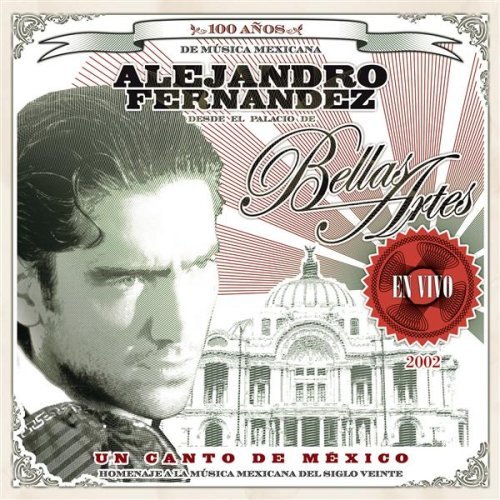
 View Artist