Song Meaning
Alejandro Fernández's "Como El Sol Y El Trigo" is a masterclass in the melodrama of longing, a heart-rending exploration of absence that only a seasoned vocalist could deliver with such devastating conviction. The song meaning revolves around the ache of separation from a loved one, a void so profound it permeates every verse. Fernández doesn't just sing about missing someone; he embodies the raw, visceral pain of it, a feeling so intense it borders on physical suffering. The repetition of "Me muero porque te has ido" (I die because you have left) is not mere hyperbole; it's a primal scream of the soul, stripped bare and vulnerable. The repeated questioning "Ay! Corazon! Porque no estas?" (Oh! Heart! Why are you not here?) underscores the central theme of yearning, a desperate plea for reunion that echoes throughout the song.
The lyrics weave a tapestry of memories, contrasting the present agony with the idyllic past. References to childhood love, "Cuando eramos solo ninios / Ya estaba el Amor rondando" (When we were just children / Love was already around), paint a picture of innocent affection that has since been fractured by distance. The comparison to "El Sol y el Trigo" (The Sun and the Wheat) evokes a natural, harmonious connection, a love as essential and life-giving as the elements themselves. This idyllic imagery sharply contrasts with the current state of heartbreak, emphasizing the magnitude of the loss. The line "Yo fui tu primer amigo/a / Tambien tu primer pecado" (I was your first friend / Also your first sin) hints at a complex relationship, one that may have transgressed boundaries or societal expectations, adding another layer of emotional turmoil.
Ultimately, "Como El Sol Y El Trigo" transcends the typical love song. It's a poignant meditation on the enduring power of love in the face of adversity. Even in the depths of despair, there's a glimmer of hope, a refusal to let go of the cherished memories and the unwavering belief in a future reunion. The singer's acknowledgment of their "Amor herido" (wounded love) and tears doesn't signify defeat. Instead, it serves as a testament to the depth of their emotion, a defiant declaration that love, even when scarred, remains a potent force. The final plea to time, "Y al tiempo le pido / Que no me haga sufrir tanto!" (And I ask time / Not to make me suffer so much!) is not just a request for relief, but a powerful expression of resilience, a determination to endure the pain until love finds its way back.
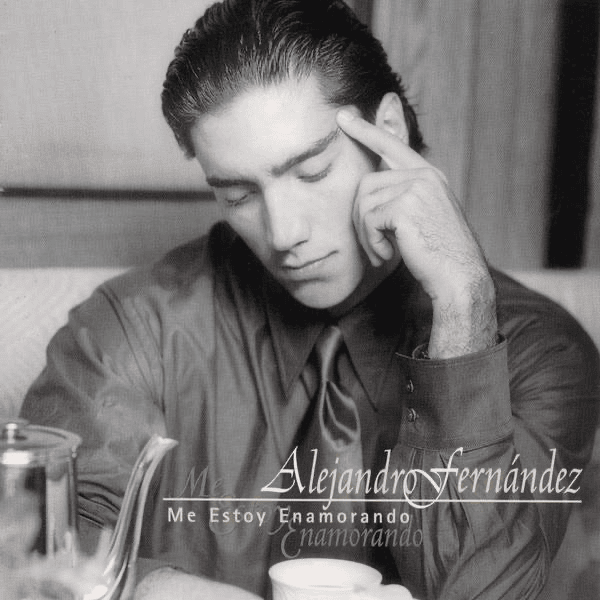
 View Artist